Want to garden for a good cause but don’t know where to start? For volunteer gardening opportunities Dallas has two clear options here: UT Dallas garden workdays and growing food at home for a Garland kitchen.
This guide is part of a wider look at gardening events in dallas, focused on ways to give your time.
| Item | Value |
|---|---|
| UT Dallas Garden Upkeep events | 2 per semester |
| UT Dallas Garden Helper workdays | Monthly, on Saturday mornings |
| Workdays before joining the plot waiting list | At least 2 within an academic year |
| New plot size at UT Dallas | ½ plot, free of charge |
| Grow for Us time commitment | Flexible and seasonal |
| Grow for Us delivery point | Garland, Texas, by arrangement |
These figures come from the UT Dallas Office of Student Volunteerism garden page and the Idealist listing for Grow for Us. Programs change their schedules and rules, so check the source before you rely on them.
Two ways to volunteer with plants in the Dallas area
The two programs below are different in almost every way. One is a hands-on campus garden with a path from first visit to your own plot, and the other lets you volunteer from your own backyard or balcony.
- UT Dallas Community Garden: a campus garden run through the university’s Office of Student Volunteerism.
- Grow for Us: a program from The Gracefull Table Community Kitchen, where volunteers grow vegetables, fruits, herbs or flowers at home and donate them.
This site is independent and is not affiliated with either group. It cannot take sign-ups or questions for them, so use the contact routes on their own pages.
How the UT Dallas Community Garden works
The garden is described as a program that promotes a sense of community through shared gardening. It sits at the southwest corner of the Phase I apartment complex on the UT Dallas campus, and the page gives driving directions from Waterview Parkway.
Involvement is built in steps, so you can start small:
- Upkeep events. The Office of Student Volunteerism offers two Garden Upkeep events per semester as a one-time introduction. Volunteers can tour the garden, learn about the program and help with planting and harvesting. No experience necessary.
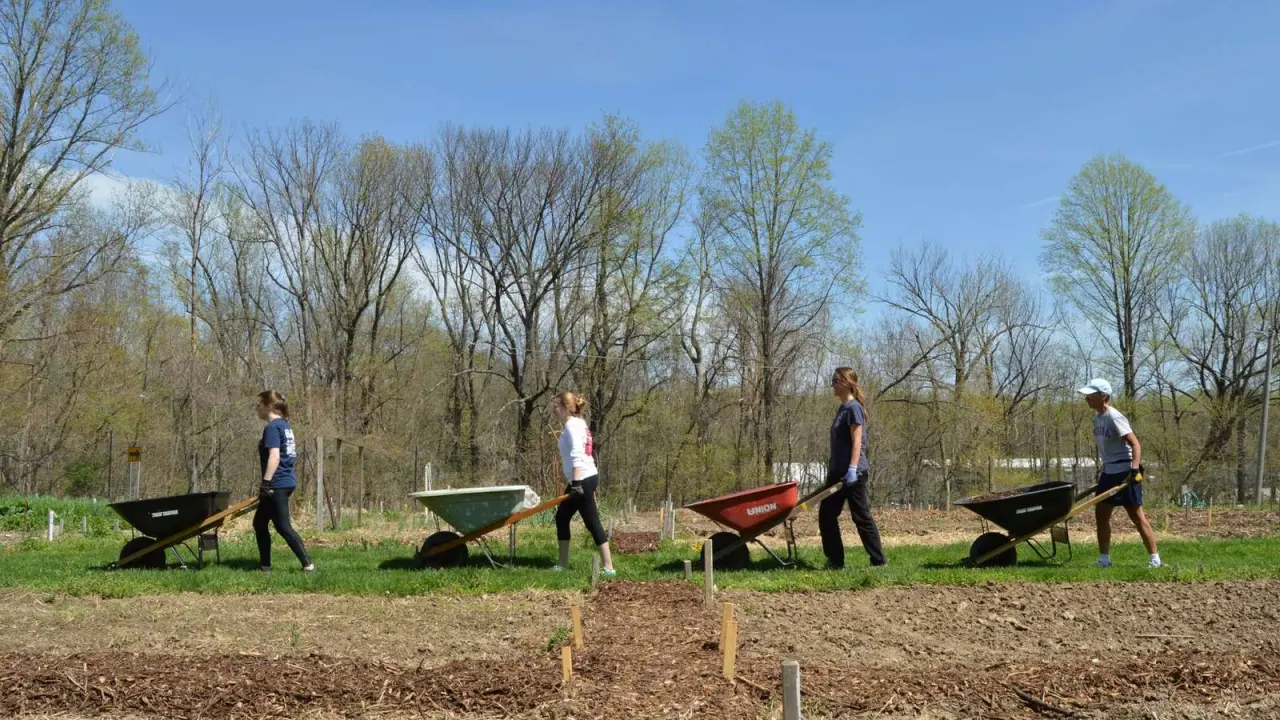
- Garden Helpers. Helpers attend monthly Saturday-morning workdays and work alongside registered plot holders on tasks such as mulching and weeding. Each Garden Helper must attend a garden orientation.
- Waiting list. After at least two workdays within an academic year, a Garden Helper may add their name to the waiting list to adopt a plot.
- Plot holders. Plots open up when current holders graduate or leave the program. An approved new gardener tends a ½ plot, free of charge, and assignments are first-come, first-served.
The page speaks to “Comets,” meaning the UT Dallas community, and says plots are tended by UT Dallas gardeners only. If you are not connected to the university, ask the Office of Student Volunteerism whether outside volunteers can join before you plan a visit.
Garden rules to know before you show up
The UT Dallas garden grows food to eat and to donate, which shapes its rules. The page lists a short set of expectations:
- Look, but please don’t pick. Plots and their contents belong to the gardeners who tend them.
- Keep it natural. Pesticides, herbicides and chemicals stay out.
- Report problems. Tell the Office of Student Volunteerism about leaky hoses or missing supplies.
- Urgent repairs. Contact UT Dallas Facilities Management or UT Dallas Police, and for emergencies call 911.
Following the no-chemicals rule matters if you garden at home too. Habits like skipping sprays carry over from one growing space to another.
Growing food at home for a Garland kitchen
Grow for Us suits people who would rather garden at home than at a shared site. The Gracefull Table Community Kitchen invites volunteers in Garland and surrounding communities to grow vegetables, fruits, herbs or flowers and donate them for community meals and events, according to its Idealist listing. The listing showed as published 1 month ago when the page was captured, so confirm it is still open.
The listing says you do not need a large garden. One plant, a few pots or a small section of a garden can be your contribution, and both experienced gardeners and beginners are welcome.
Here is how the program works, based on the listing:
- Choose something to grow and coordinate with the kitchen’s team about what they can use.
- Plant, tend and harvest it at home, in a yard, raised bed, patio containers or balcony.
- Keep the team informed about what you are growing and roughly when it will be ready.
- Arrange a delivery time and bring your donation to the designated location in Garland.
Note the trade-offs. Volunteers provide their own growing space and supplies and donate what they grow, and the kitchen says it cannot provide individual pickups. The time commitment is flexible and seasonal, and varies with what and how much you grow.
Choosing the right fit
Match the program to how you like to work. If you want company, tools and a place to learn, the campus garden’s upkeep events and workdays are built for that. If you have a sunny corner at home and can drive to Garland, Grow for Us lets you set your own schedule.
If you want a more structured route into volunteering, read about the dallas master gardener program. For seasonal garden happenings that may also need helpers, see our notes on dallas arboretum events.
Frequently asked questions
Do I need gardening experience?
Show answer
Not for the first step. UT Dallas says its Garden Upkeep events need no experience, and the Grow for Us listing welcomes experienced gardeners and beginners willing to plant and care for something.
Can I pick vegetables while I visit a community garden?
Show answer
At the UT Dallas garden, no. Its rules say to look but not pick, because the food is grown to eat and to donate.
How does someone get a plot at the UT Dallas garden?
Show answer
You attend a garden orientation, join monthly workdays as a Garden Helper, and after at least two workdays in an academic year you may join the waiting list. Plots are given first-come, first-served when current holders move on.
What if I cannot deliver produce to Garland?
Show answer
Grow for Us expects volunteers to deliver donations to Garland at an agreed time, and the kitchen says it cannot provide individual pickups. If delivery is not possible, a hands-on garden program may suit you better.