Wondering if a plot down the street is worth your time? The benefits of community gardens are real: more fresh produce, closer neighbors and a nicer block, though the research on health effects is still thin.
You can find the wider local picture in the guide to community gardens in dallas.
| Item | Value |
|---|---|
| Studies in a systematic review of community gardens | 53 studies (searches up to December 2020) |
| Overall evidence quality in that review | Low |
| Fruit and vegetable intake, community gardeners | 5.7 times per day |
| Fruit and vegetable intake, nongardeners | 3.9 times per day |
| Community gardeners eating fruit and vegetables at least 5 times per day | 56% |
| Nongardeners eating fruit and vegetables at least 5 times per day | 25% |
The figures come from a 2022 systematic review in BMC Public Health and a research roundup by NC State Extension. Figures can change as new studies appear, so check the sources before you rely on them.
What do community gardens actually give a neighborhood?
A community garden is more than rows of tomatoes. A 2018 paper by Christine Porter of the University of Wyoming drew on case studies with five community organizations over five years and sorted what gardening yields into four categories of benefit, as described in the paper on the PubMed Central archive.
- Improving health
- Producing quality food in nutritionally meaningful quantities
- Providing cultural services
- Fostering healing and transformation
These spaces are common. The American Community Gardening Association estimates 18,000 community gardens across the United States and Canada, according to a Tulane public health post from April 2024.
Growth can be quick. In New York City, the Five Borough Farm project documented 700 community food gardens and farms in 2011, then over 900 three years later.
Fresh food and better eating
The best-measured benefit is fruit and vegetable intake. A study in the American Journal of Public Health (August 2011) compared community gardeners, home gardeners and nongardeners, as summarized by NC State Extension.
Community gardeners ate fruits and vegetables 5.7 times per day, against 4.6 for home gardeners and 3.9 for nongardeners. Some 56% of community gardeners met the national recommendation of at least 5 times per day, compared with 37% of home gardeners and 25% of nongardeners (NC State Extension).
Research by Katherine Alaimo and colleagues points the same way. Adults with a household member in a community garden ate fruits and vegetables 1.4 more times per day, and were 3.5 times more likely to reach at least 5 times daily, NC State Extension reports.
Money and access matter too. The same roundup lists cost, availability and acceptance as common barriers to eating more produce, and says gardens have the potential to lower those barriers (NC State Extension).
One study of Hispanic migrant farmworkers and their families in the Oregon valley found food insecurity fell from 31% before a community garden project to 3% after it. That result is cited in an Occidental College senior thesis and comes from a single group, so treat it as encouraging rather than typical.
Health and mood: what the evidence supports
A 2022 systematic review in BMC Public Health pulled together 53 studies, with searches running up to December 2020. Effects appeared positive for fruit and vegetable intake and for some psychosocial and community outcomes, but mixed for physical health.
The review rates the overall evidence quality as low, and its authors warn that the effects of community gardening may be overestimated. An earlier paper noted that few garden health studies have control groups and that none it found used randomized ones, as reported in the 2018 Porter paper.
The reasons for hope are plausible even if the proof is soft. The BMC review describes gardening as a physically active pastime and notes that time in nature may reduce stress independently of other health behaviors.
Neighbors, streets and shared space
Gardens are also meeting places. The BMC review says community gardening may encourage social interactions and the development of social support, and its pooled results leaned positive on community outcomes.
Young people can gain as well. Case studies of two neighborhood-based community gardens with youth programs found the gardens promoted developmental assets for involved youth while improving their access to and consumption of healthy foods, per NC State Extension’s summary.
Gardens may help property values nearby. A 2006 working paper from New York University School of Law found a statistically significant positive impact on residential properties within 1000 feet of a new garden, with the biggest effect in the most disadvantaged neighborhoods, according to NC State Extension. It is one paper, not a Dallas measurement.
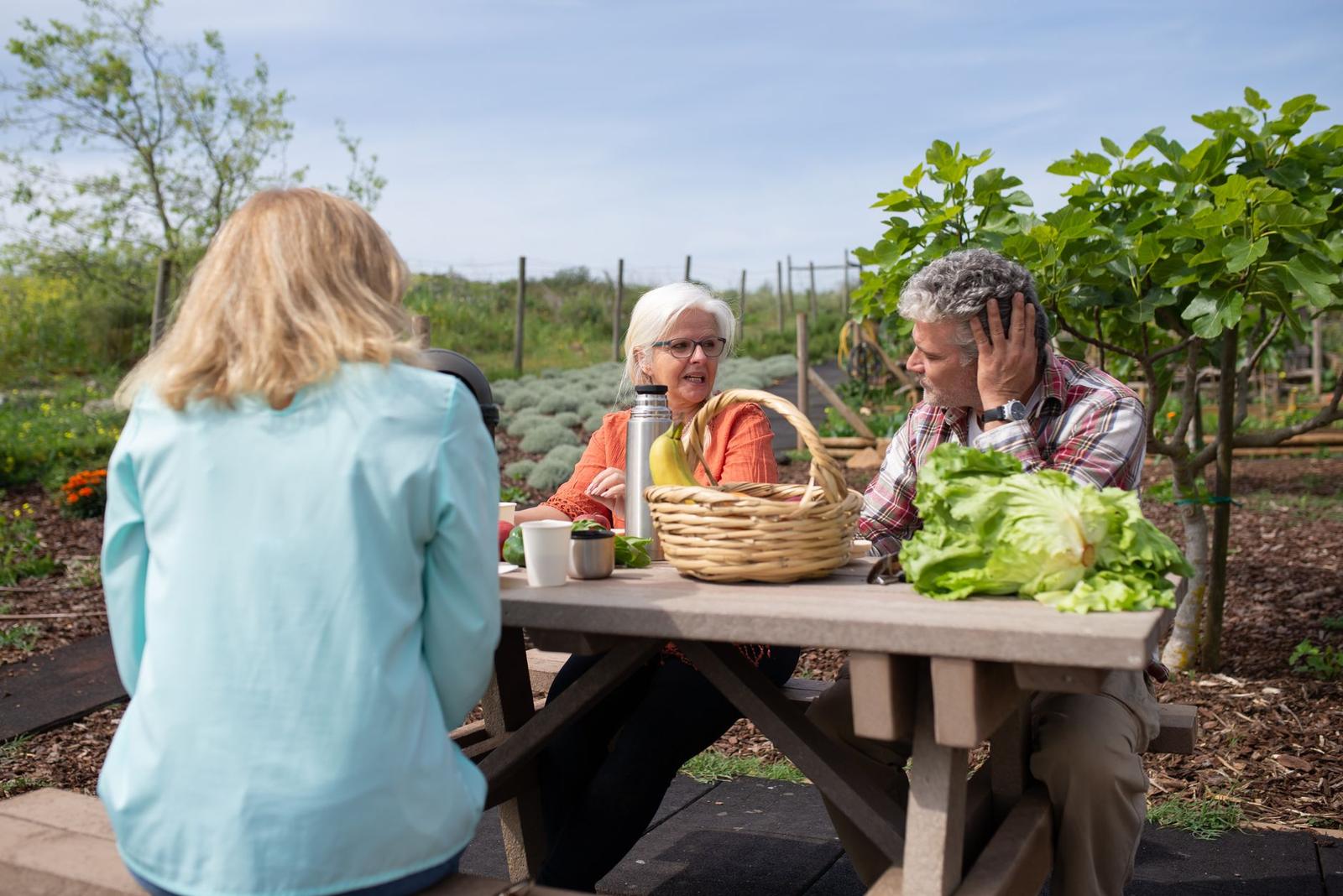
Gardens can also change how a neglected lot feels. A legal analysis of garden policy argues they can curb the problems tied to vacant lots and urban blight, as NC State Extension’s roundup describes.
Where community gardens struggle
Benefits do not arrive automatically. Experts interviewed for the Occidental College thesis on Los Angeles County gardens named several setbacks:
- Member turnout
- Paying for resources like water
- Issues over garden land and leases
- Lack of technical garden knowledge
Size is not one of the obstacles. A Tulane public health post (April 2024) says garden sites do not have to cover acres, blocks or even full city lots to be valuable additions to an area.
Turning the benefits into something near you
The studies above come from other places, so read them as a guide to what is likely, not a measurement of any Dallas garden. If you want fresh produce while you look for a plot, the guide to dallas farmers markets is another place to start.
If you are thinking of launching a plot yourself, the guide on how to start a community garden goes into detail. The Tulane post outlines the basic organizing steps:
- Identify a leader or leadership team.
- Select a site and prepare it for gardening.
- Organize garden volunteers.
- Create a sign-up process for community members.
- Spread the word to foster community support.
Frequently asked questions
What are the main benefits of community gardens?
Show answer
Research and practice point to more fresh produce, social connection, youth opportunities and tidier neglected land. The Porter paper groups them into health, food, cultural services, and healing and transformation.
Do community gardens improve health?
Show answer
They are linked to higher fruit and vegetable intake, but evidence for physical health is mixed. The BMC Public Health review rates overall evidence quality as low.
Do community gardens raise nearby property values?
Show answer
One 2006 working paper found a positive impact on homes within 1000 feet of a new garden, as NC State Extension quotes it. That finding has not been tested here in Dallas.
Do you need a lot of land for a community garden?
Show answer
No. The Tulane post from April 2024 says sites need not cover acres, blocks or full city lots to be valuable.