Want a pollinator garden North Texas heat won’t wreck? Plant native flowers that bloom from spring to fall, add native milkweed, skip pesticides and set out shallow water.
If you garden in a shared plot, the wider guide to community gardens in dallas covers the bigger picture.
| Item | Value |
|---|---|
| Fall monarch migration through Texas | September into November |
| Monarch migration distance | Roughly 3,000 miles |
| Sun for the bed | At least eight hours of direct sunlight daily |
| Planting pattern | Clusters of 7-9 plants per species |
| Water dish refresh | Dries out every three to five days, then refill with clean water |
These figures come from Texas A&M AgriLife and Monarch Watch. Guidance can change, so check the sources before you rely on them.
Why does a pollinator garden matter here?
In Texas, pollinators are far more than butterflies: the Texas Parks and Wildlife pollinator sheet lists bats, bees, hummingbirds, butterflies, moths, wasps, flies and beetles. The same sheet says up to 80% of plant species are pollinated, mostly by insects.
The monarch shows what is at stake. The U.S. Fish and Wildlife Service material in that TPWD document says monarch populations dropped by about 90% over the past 20 years, a loss of about 970 million individuals by 2015, mainly from lost habitat and lost milkweed.
A yard can help reverse some of that. The Fort Worth Botanic Garden says the best way to help native butterflies, bees, bats and hummingbirds is to grow native plants, because the local pollinators evolved alongside them.
Native plants that handle North Texas heat
Fort Worth Botanic Garden staff recommend a short list of tough natives for North Texas pollinators. Match each one to the light in your bed, as the sun and soil notes below show.
- Black-eyed susan (Rudbeckia hirta): bright yellow, daisy-like flowers; requires full sun.
- Blue mistflower (Conoclinium coelestinum): feathery pale lavender-blue flowers; full sun to partial shade, and it spreads easily.
- Lanceleaf coreopsis (Coreopsis lanceolata): prefers full sun and dry soil.
- Autumn sage (Salvia greggii): a small shrub that adapts to many soils, blooms from spring to fall and tolerates Texas heat.
- Texas lantana (Lantana urticoides): thrives in bad soil, high temperatures and low water availability, and needs full sun.
- Turk’s cap (Malvaviscus drummondii): prefers shady locations, so it suits the corner where the other plants would struggle.
Mixing sun lovers with one shade plant gives you a bed that works across your whole yard. Monarch Watch also suggests choosing only single-flowered varieties, whether native or not.
Milkweed and monarchs
Monarch females exclusively lay their eggs on milkweeds, and the caterpillars eat nothing else, according to the Fort Worth Botanic Garden. Texas has the most native milkweed species of any state, with 37, per TPWD.
Choose the type with care. The Fort Worth Botanic Garden notes that many experts recommend avoiding tropical milkweed, which does not die back in winter and might disrupt migration patterns, and suggests antelope horn milkweed (Asclepias asperula) or green antelope horn milkweed (Asclepias viridis) instead. If you already grow the tropical type, Texas A&M AgriLife reports that Dr. Mike Arnold prunes it all the way to the ground as fall approaches, so butterflies are not tempted to linger.
Native milkweed asks for a few things from you:
- Full sun and sandy, well-drained soil.
- Patience, since the plants tend to grow slowly.
- No spraying, even when aphids show up, because pesticides would hurt the caterpillars and other insects usually deal with the aphids.
Native milkweed is not always easy to find in garden centers, so call around first. Monarch Watch adds that native plants are often offered for sale at farmers’ markets, so it can help to ask growers at the dallas farmers markets what they carry.
Timing your blooms for fall migration
Monarchs usually start heading south through Texas around September into November, on a journey of roughly 3,000 miles. Milkweed feeds caterpillars, but the adults need a variety of nectar plants to fuel that trip, as the AgriLife experts explain.
AgriLife’s Wizzie Brown and Mike Arnold name these native fall-blooming perennials:
- Gregg’s mistflower
- Frostweed
- Fall aster
- Maximilian sunflower
- Blazing star varieties
- Goldenrod varieties
- Flame acanthus
- Buttonbush
In its late-May guidance, AgriLife advised planting these perennials early enough to establish before the stressful heat of summer. Annuals such as zinnias, marigolds and cosmos are not native, but AgriLife says they thrive in the region and add nectar and color.
If you are sowing seed for monarchs, Arnold suggests waiting until mid-to-late summer. Seed sown too early peaks in the summer heat, before the butterflies arrive.
Sun, water, shelter and no pesticides
Pick a spot with at least eight hours of direct sunlight daily, says Monarch Watch. To make a showy block of color, plant each species in clusters of 7-9 plants.
Water matters as much as flowers. AgriLife’s Wizzie Brown recommends a shallow dish with pebbles or decorative shells as a landing surface above the water. To avoid mosquitoes, use a dish that dries out every three to five days, then refill it with clean water.
Because a dish needs regular refills and new plantings need care, check the dallas water restrictions watering schedule before you plan any hand-watering.
Other pieces of the setup come from Monarch Watch and TPWD:
- A wet, sandy or muddy spot where butterflies can take in salts and other nutrients.
- Dark stones or tiles where butterflies can warm up on cool mornings.
- Shelter: undisturbed soil areas, piles of woody debris and bee boxes.
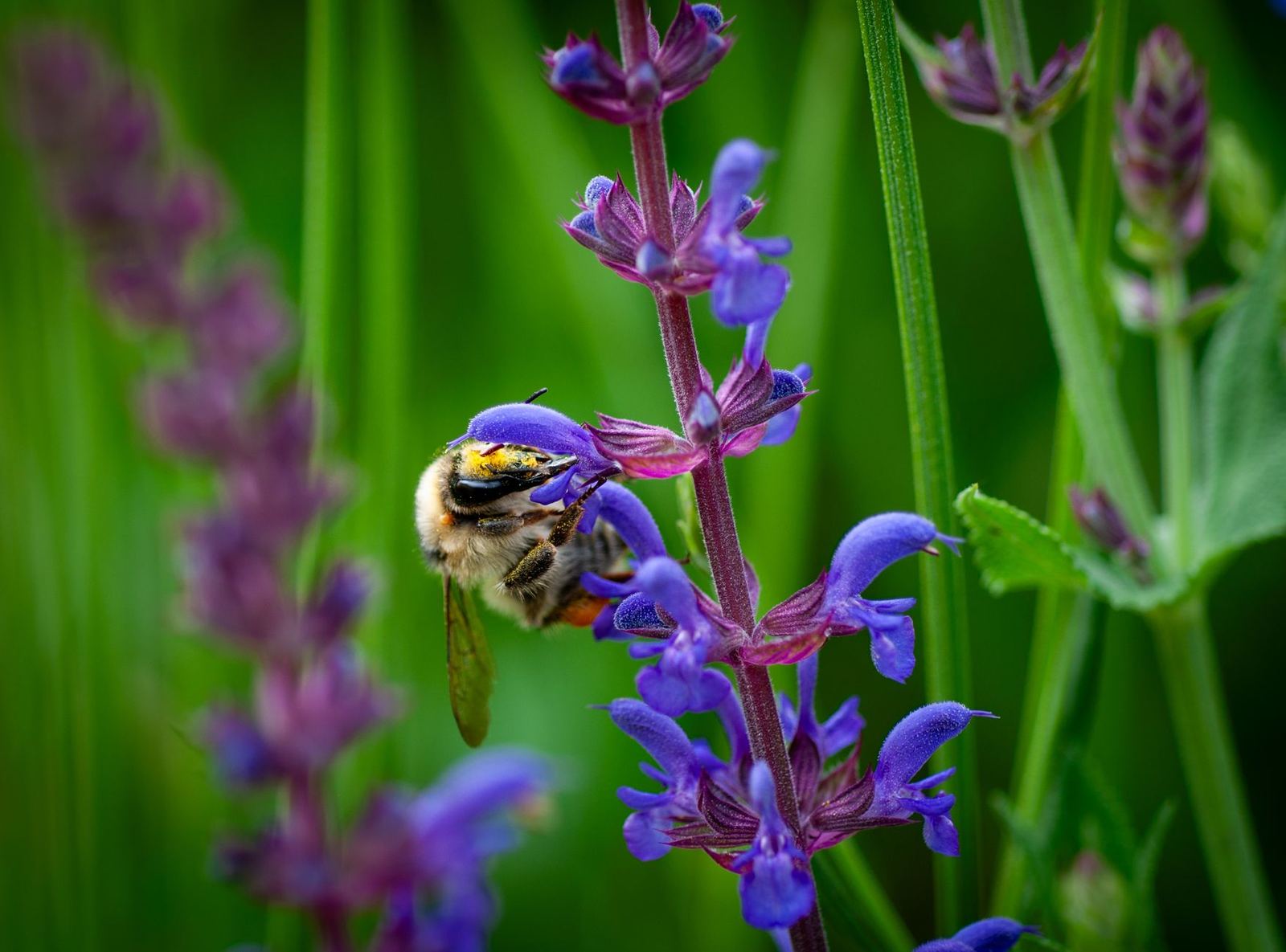
The biggest rule is to stop pesticides. Monarch Watch says to discontinue all insecticides, herbicides and fungicides in the area and ask bordering neighbors to do the same, and to ask nurseries whether they use systemic insecticides on their plants. TPWD also suggests compost instead of commercial fertilizers.
Frequently asked questions
Do I need a big yard for a pollinator garden?
Show answer
No. Monarch Watch says a butterfly garden can be any size, from a window box to a portion of your landscaped yard to a wild, untended area on your lot.
When should I plant?
Show answer
Plant fall-blooming perennials early enough to establish before summer heat, per AgriLife. For monarch-focused seed, AgriLife suggests mid-to-late summer so blooms peak during the September-into-November migration.
Is tropical milkweed a good choice?
Show answer
Sources differ in tone. The Fort Worth Botanic Garden says many experts recommend avoiding it, while AgriLife’s Arnold keeps some in his garden but prunes it to the ground as fall approaches. Native milkweed is the safer starting point.
Will the bees sting me?
Show answer
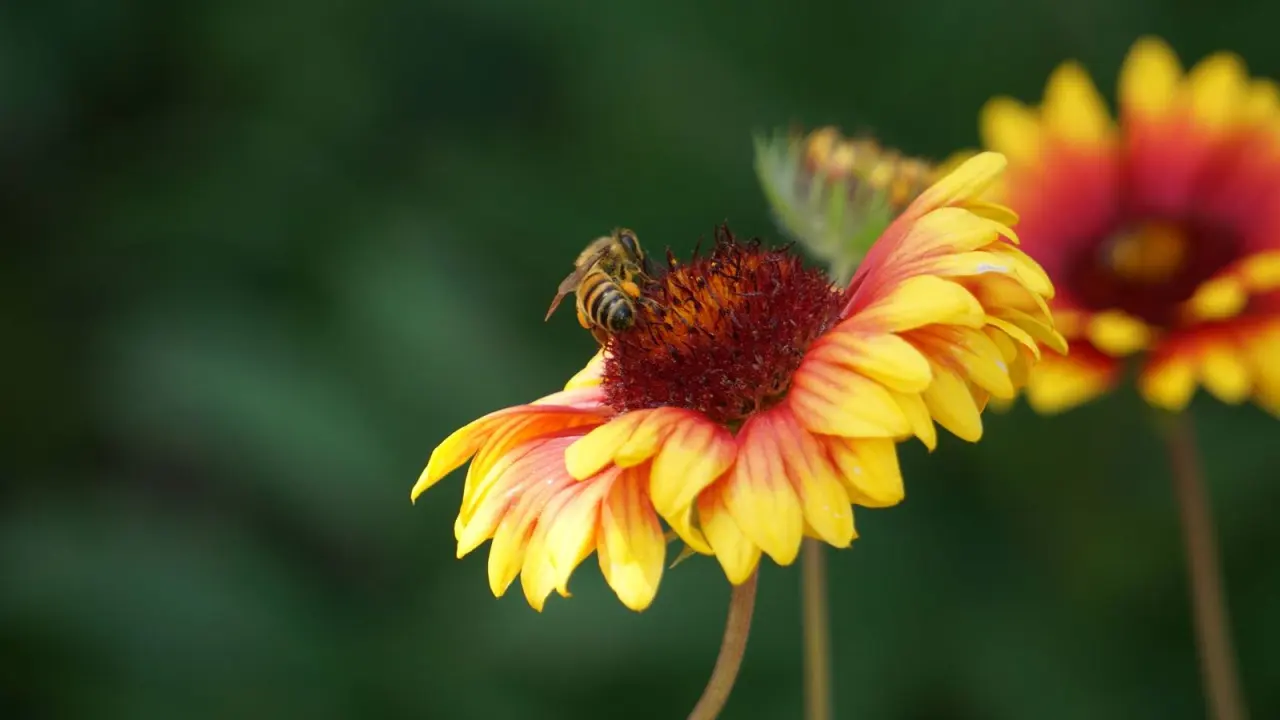
Monarch Watch says not to worry, because bees will be too busy collecting nectar and pollen to sting.