Wondering how community gardens in Dallas get started? You can learn a lot from the Hatcher Station pilot, a transit-owned site turned into a garden with regional funding. The sections below walk through it and point you to next steps.
| Item | Value |
|---|---|
| Region covered by the NCTCOG guide | 16 counties |
| Population of that region | More than 7 million people |
| NCTCOG community gardens guide edition | May 2023 |
| Hatcher Station pilot funding year | 2019 |
| Hatcher Station site size | 15,760 square feet |
| Distance from site to Hatcher Station | 250 feet |
These figures come from the NCTCOG community gardens guide and the Hatcher Station pilot report. Figures can change, so check the source before you rely on them.
What the regional guide says about community gardens
The North Central Texas Council of Governments, known as NCTCOG, is a voluntary association of local governments. Its guide says the agency was established by state enabling legislation in 1966, and that its region is a 16-county area centered around Dallas and Fort Worth with a population of more than 7 million, according to the May 2023 guide.
The guide is written for city staff, decision-makers and others who want to build a public community gardens program. It focuses on program frameworks and steps that municipalities and other public organizations, such as transit agencies, may consider.
It also reports the results of a public open space analysis carried out by NCTCOG staff. That makes it a planning document for governments first, and a useful background read for residents second.
The Hatcher Station pilot in Dallas
The guide says its creation was inspired by the Hatcher Station Community Garden Pilot Project of Dallas Area Rapid Transit (DART). That pilot was funded by the NCTCOG Blue-Green-Grey funding initiative in 2019, as the guide’s executive summary explains.
The idea was a repeatable approach: convert small, unused parcels in a DART-owned right-of-way into a productive garden. The chosen site sits in a food desert, near a transit center and a farmers’ market.
The December 2019 deliverables report gives the site details:
- The site is a two-parcel plot totaling 15,760 square feet, on Scyene Road east of Downtown Dallas.
- It is 250 feet from Hatcher Station, which serves DART’s Green Rail Line.
- It is also 250 feet from the Bertrand Neighborhood Pop-Up Market, a nearby venue where local gardeners could sell produce.
- The USDA had designated the surrounding area a “food desert”.
That report is a scope of work from December 2019, so it describes plans and deliverables rather than today’s conditions. Look for later updates from DART before you assume anything about the garden’s present status.
Land, water and paperwork: the checklist behind a garden
The Hatcher report’s contents page shows how much groundwork sits behind a garden. Its land use considerations cover:
- Property ownership, for groups that do not own the land they want to use
- Negotiating use of the land
- Zoning
- Obtaining a certificate of occupancy
- Water meters
- Existing structures on the land and accessory use
The pilot’s funds were set aside to develop a siting and maintenance process, install irrigation and lighting infrastructure, and provide startup materials. A planned memo on best practices in garden design also covers quantities and qualities of startup materials such as tools, soils, organic materials and seeds.
If you are weighing a new project of your own, our guide on how to start a community garden goes through the early steps. Zoning questions are covered separately in our explainer on the dallas urban agriculture ordinance.
Water access matters too, since the pilot planned for irrigation from the start. Our page on the dallas water restrictions watering schedule is the place to check how watering rules may affect a garden’s plans.
Who keeps a garden running?
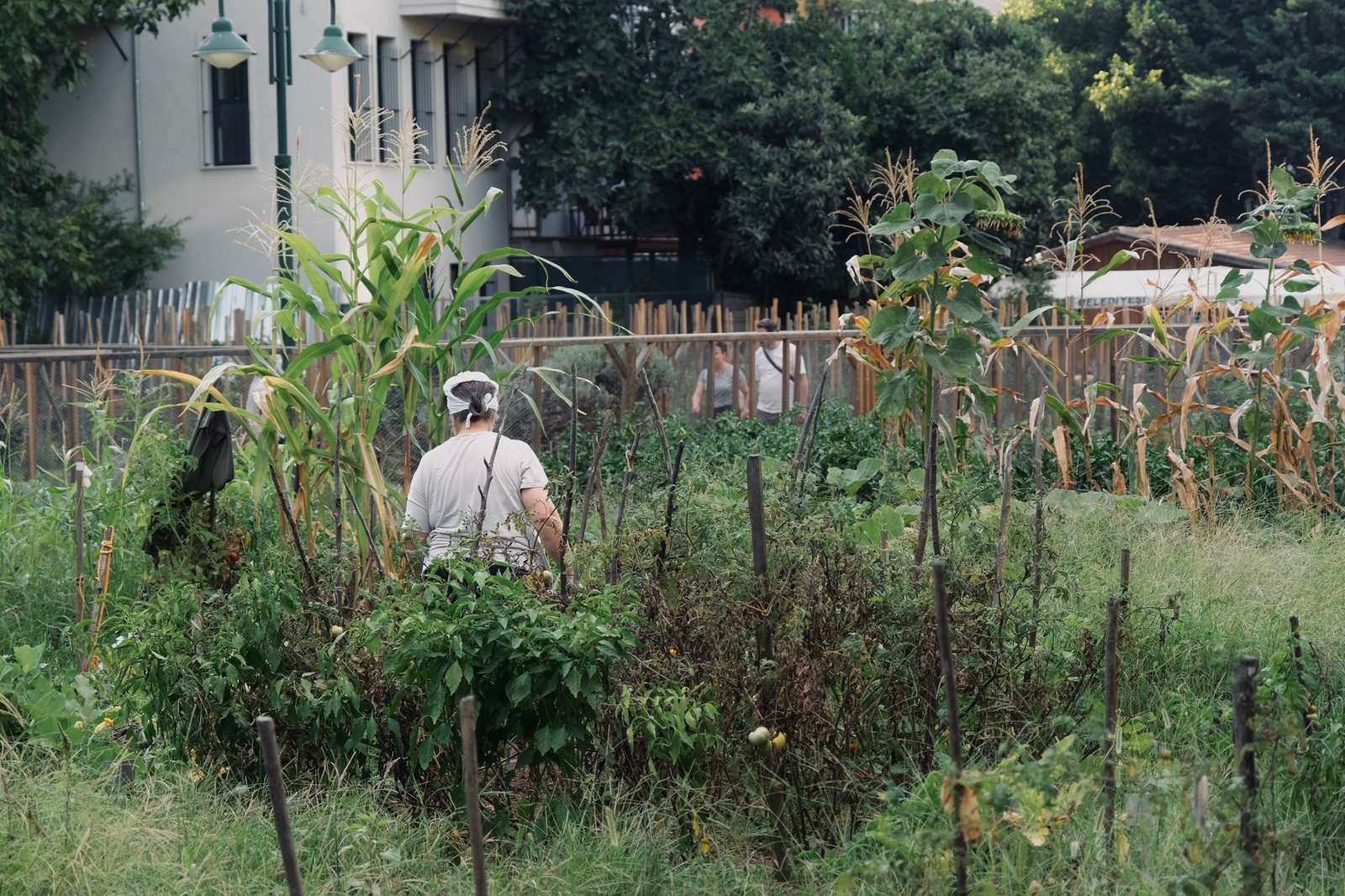
Building a garden is only half the job. The pilot’s operations and maintenance task starts with a process for identifying partners who agree to maintain the garden for a pre-determined period of time.
The same task calls for a formal vehicle for the agreement, listed in the report as an ILA, a contract or a memo. The aim is that someone is clearly responsible for upkeep once the startup materials are in place.
For residents, the day-to-day question is usually about individual beds. Our explainer on how do community garden plots work covers that side of things.
Food access, transit and markets
The NCTCOG guide says community gardens can play a role in food access and security by providing better access to healthy food, which can improve diet and nutrition for community members. It adds that gardens near transit stations or bike paths can further increase opportunities to reach healthy food, especially for people without an automobile.
The Hatcher Station site was chosen with that in mind: close to a rail station and to a pop-up market. If you want to see where garden-grown produce could be sold or bought, our list of dallas farmers markets is a good starting point.
For a wider look at what gardens can offer a neighborhood, see the benefits of community gardens on this site.
Where to go next
This hub is independent and educational. It points you to related guides on the site:
- For the bigger picture of growing food in the city, read our overview of dallas urban agriculture.
- If you want to support bees and butterflies in a shared bed, our guide to a pollinator garden north texas is a good place to start.
- For climate, soil and planting basics, see our hub on gardening in dallas texas.
- To find workshops, swaps and meetups, browse our roundup of gardening events in dallas.
Frequently asked questions
Is this site an official Dallas garden program?
Show answer
No. This is an independent editorial site. It is not connected to any city agency, transit agency or garden organization, and it does not take registrations or enquiries.
What was the Hatcher Station pilot?
Show answer
It was a DART project to turn small, unused parcels in a DART-owned right-of-way into a productive community garden, funded through the NCTCOG Blue-Green-Grey initiative in 2019. The December 2019 report describes its scope of work.
Who wrote the regional community gardens guide?
Show answer
NCTCOG, the North Central Texas Council of Governments, published the guide in May 2023. It is aimed at city staff, decision-makers and others developing a public community gardens program.
Why do gardens near transit matter?
Show answer
According to the May 2023 NCTCOG guide, gardens near transit stations or bike paths can increase opportunities to access healthy food, especially for people without an automobile.