Not sure when to plant what in Dallas? Use this dallas vegetable planting calendar: onions and peas go in during January, tomatoes in March, and heat lovers in April. Frost dates and soil temperature are your guardrails.
This guide sits inside our wider look at gardening in dallas texas, and it zooms in on what to sow or transplant in each month.
| Item | Value |
|---|---|
| Average last spring frost, North Central Texas | March 18 |
| Average first fall frost, North Central Texas | November 17 |
| Tomato transplants, spring window | March 1 to April 30 |
| Tomato transplants, fall window | June 20 to July 15 |
| Snap bean seed, minimum soil temperature | 60°F |
| Okra seed, minimum soil temperature | 75°F |
These figures come from the Rockwall County Master Gardeners’ 2024 vegetable planting guide for North Central Texas. Dates and planting windows can change from one edition to the next, so check the source before you rely on them.
What frost dates and soil temperatures should you plan around?
The Rockwall guide uses an average last frost of March 18 and an average first frost of November 17 for North Central Texas. Those are averages, so treat them as the middle of a range rather than a promise.
Soil temperature matters as much as the date on the calendar. The guide warns that planting in soil that is too cool can lead to poor germination, seed rot, diseases and slow root and top growth.
Its test is simple: plant within the recommended dates, but only when the minimum temperature shows up on three consecutive mornings, before the sun warms the soil. The guide says to hold that temperature to a depth of 6 to 8 inches, and calls a kitchen probe thermometer the easiest and least expensive tool for the job.
Here are the minimum soil temperatures the guide gives for sowing seed:
- 50°F: spinach, lettuce, radish, peas, carrots, onions and potatoes
- 55°F: cabbage, beets, Swiss chard, collards and parsley
- 60°F: snap beans, cucumbers and turnips
- 65°F: sweet corn and black-eyed peas
- 70°F: squash, watermelon and lima beans
- 75°F: cantaloupe, okra and sweet potatoes
For transplants, the same guide lists onions at 45°F, broccoli at 50°F, tomatoes at 60°F, peppers at 70°F and eggplant at 75°F.
January and February: the cool-season start
Dallas gardeners can begin while nights are still cold. These are the planting windows the Rockwall guide lists for early spring:
- Onions (plants or seed) and garlic: January 1 to February 15
- English peas: January 20 to March 3
- Spinach: January 20 to March 10
- Potatoes, broccoli, cabbage, carrots and beets: February 1 to February 15
- Lettuce: February 1 to March 31
- Radish: February 1 to April 15
- Asparagus: February 1 to March 1
The early push matters because some of these crops are slow. Texas A&M AgriLife Extension puts bulb onions, cabbage and garlic in its slow group, needing 80 or more days to mature.
March and April: the spring rush
Once March arrives, the calendar fills quickly. Tomato transplants have the longest window, running from March 1 to April 30, with the soil at 60°F or warmer.
Next come the warm-season seeds, again from the Rockwall guide:
- Sweet corn: March 15 to April 30
- Snap beans: March 18 to April 15
- Cucumbers: March 18 to April 30
- Squash: March 25 to April 15
- Pumpkins: March 25 to April 25
- Watermelon and black-eyed peas: March 30 to April 30
- Peppers: March 30 to May 30
- Eggplant: April 1 to April 30
- Cantaloupe: April 5 to May 1
- Sweet potatoes: April 15 to June 1
Notice how the heat lovers wait. Cantaloupe, okra, sweet potatoes and eggplant want 75°F soil, which is why they trail the beans and corn by weeks.
Layout helps too. Texas A&M AgriLife Extension advises putting tall crops such as okra, staked tomatoes, pole beans and sweet corn on the north side of the garden, so they do not shade low crops like radishes, leaf lettuce, onions and bush beans.
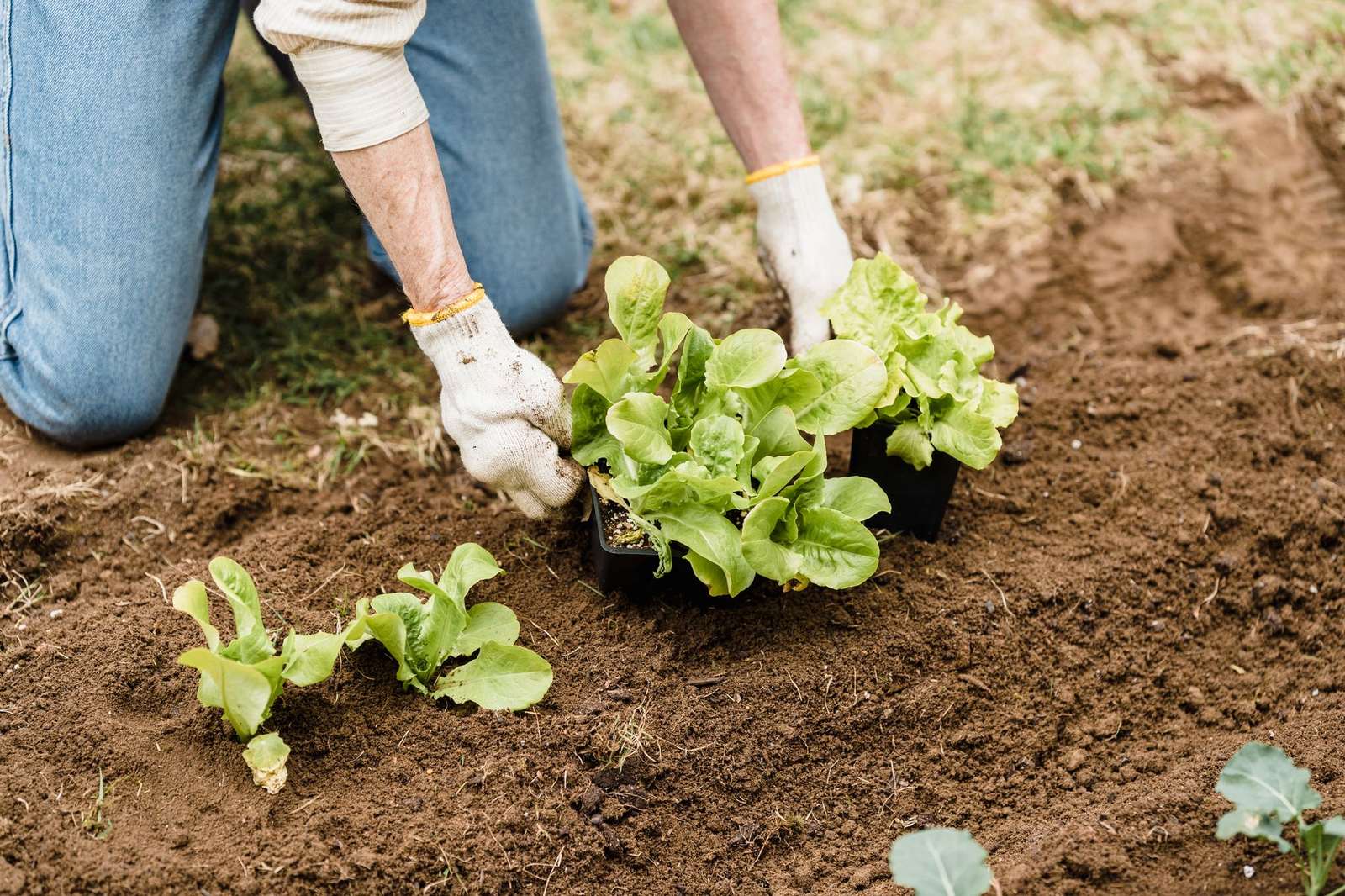
May through August: finish spring, start the fall garden
By May most spring windows have closed. Only peppers (to May 30) and sweet potatoes (to June 1) are still open in the Rockwall guide, so May is mostly for tending what you have planted.
Summer is when the fall garden begins. The same guide lists these windows:
- Tomato transplants for fall: June 20 to July 15
- Watermelon: July 20 to August 10
- Broccoli and cabbage: August 15 to September 30
- Turnips (roots and greens): August 25 to November 1
September through November: fall plantings and the first frost
Cool-season crops return as the heat eases. The Rockwall guide lists beets from September 1 to October 1, garlic from September 15 to October 30, spinach from September 15 to November 1, and radish from September 20 to November 15.
The latest window in this calendar closes November 15, just ahead of the average first frost on November 17. For a longer autumn list, see our notes on what to plant in dallas in fall.
Maturity times, soil and layout tips
Knowing how long a crop takes helps you slot it into a window. Texas A&M AgriLife Extension sorts vegetables by days to maturity:
- Quick (30 to 60 days): beets, bush beans, leaf lettuce, radish, spinach, summer squash and turnips
- Moderate (60 to 80 days): broccoli, carrots, cucumbers, okra, peppers and tomatoes
- Slow (80 or more days): cabbage, bulb onions, eggplant, garlic, pumpkin, sweet potatoes and watermelon
Group crops by maturity so a new planting can take over as soon as one comes out. Follow it with an unrelated crop, which is crop rotation; the guide’s example is following early beans with beets, squash or bell peppers.
If your bed is heavy clay, the same source suggests spreading 1 to 2 inches of good sand and 2 to 3 inches of organic matter in late winter or early spring, then turning it under 8 to 10 inches deep. It also gives 6 to 8 pounds of gypsum per 100 square feet for heavy clay. Our notes on gardening in clay soil texas go further.
Never work wet soil. Squeeze a handful: if it holds as a ball and does not crumble under light thumb pressure, it is too wet.
Frequently asked questions
When is the last frost in the Dallas area?
Show answer
The Rockwall County Master Gardeners’ 2024 guide gives an average last frost of March 18 for North Central Texas. It is an average, so a cold snap after that date is still possible.
Can you plant tomatoes twice in a year?
Show answer
The guide lists two transplant windows: March 1 to April 30 for spring and June 20 to July 15 for fall.
How do you know the soil is warm enough?
Show answer
Check the temperature at 6 to 8 inches deep on three consecutive mornings. Snap beans need 60°F, while okra needs 75°F.
Which vegetables are fastest to harvest?
Show answer
Texas A&M AgriLife Extension lists beets, bush beans, leaf lettuce, radish, spinach, summer squash and turnips as quick crops, ready in 30 to 60 days.