Squash vine borer Texas problems feel sudden, but you can manage them. Cover plants early, watch stems for frass, and remove larvae before the vine collapses.
This guide is part of our wider series on gardening in dallas texas, where you can find more local growing advice.
| Item | Key fact |
|---|---|
| Adult moth look | Bright reddish-orange body, black or metallic green wings |
| Adult activity in Texas | As early as April/May until November/December |
| Where larvae feed | Inside the plant stem or crown |
| Where larvae pupate | In the soil |
| Organic spray options | Spinosad and Bt (Bacillus thuringiensis) |
| Chemical spray repeat interval | Weekly |
These figures come from a Texas A&M AgriLife Extension county post dated May 11, 2023, which you can read at the Williamson County AgriLife Extension site. Products, labels and advice can change, so check the source and your product label before you rely on them.
How to recognise squash vine borer damage
The hard part is that the pest hides. The tiny caterpillar burrows into the vine before you can really see it, so the first sign is often a sudden wilt on a plant that looked fine the day before.
The larvae burrow into the stem or crown and disrupt the flow of water and nutrients. The plant wilts from the lack of water and nutrients and eventually dies.
To confirm the cause, look at the base of the plant. Check for these signs:
- Stems with oozing plant residue.
- Frass, which is caterpillar droppings, near the entry points.
- Wilting that does not recover even though the soil has moisture.
The last point is a practical clue rather than a sourced rule. If the first two signs are present, you are very likely dealing with borers.
The life cycle and why timing matters
The adult is a day-flying moth that is easy to mistake for a wasp: the adults have bright reddish-orange bodies with black or metallic green wings. Seeing one near your squash is your cue to act.
In Texas, adults are active as early as April/May and stay active until November/December. That is a long window, so a single early defence is not always enough.
Here is the cycle in order:
- Adults lay eggs on the leaves and stems of host plants.
- The eggs hatch and the larvae burrow into the stems.
- Inside the plant, the larvae feed and disrupt water and nutrient flow.
- Full-grown larvae climb down from the stems and pupate in the soil.
Each stage points to a control step. You can block the moths, remove the larvae, and clean up the soil afterward.
Prevent borers before they lay eggs
Extension guidance calls for an integrated approach with a multi-pronged strategy. No single trick does everything, so combine a few of the steps below.
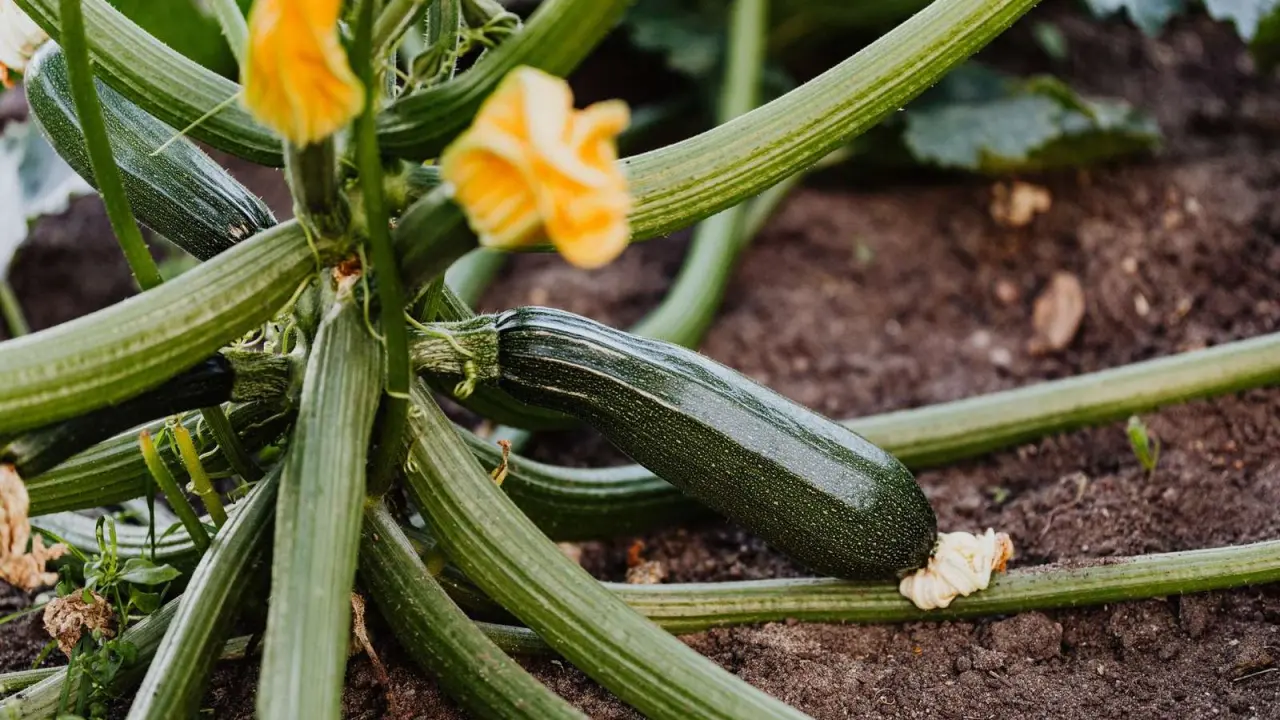
- Floating row cover: place it over squash and zucchini plants to prevent adult moths from laying eggs on them.
- Resistant types: consider acorn squash, summer crookneck or butternut squash, among others.
- Sanitation: remove dying or dead vines so any larvae still inside are gone.
- Tilling: till the soil to expose underground pupae to the elements and predators.
Row cover has one catch. You might need to hand-pollinate your squash, or remove the cover during bloom, so bees can pollinate the female flowers.
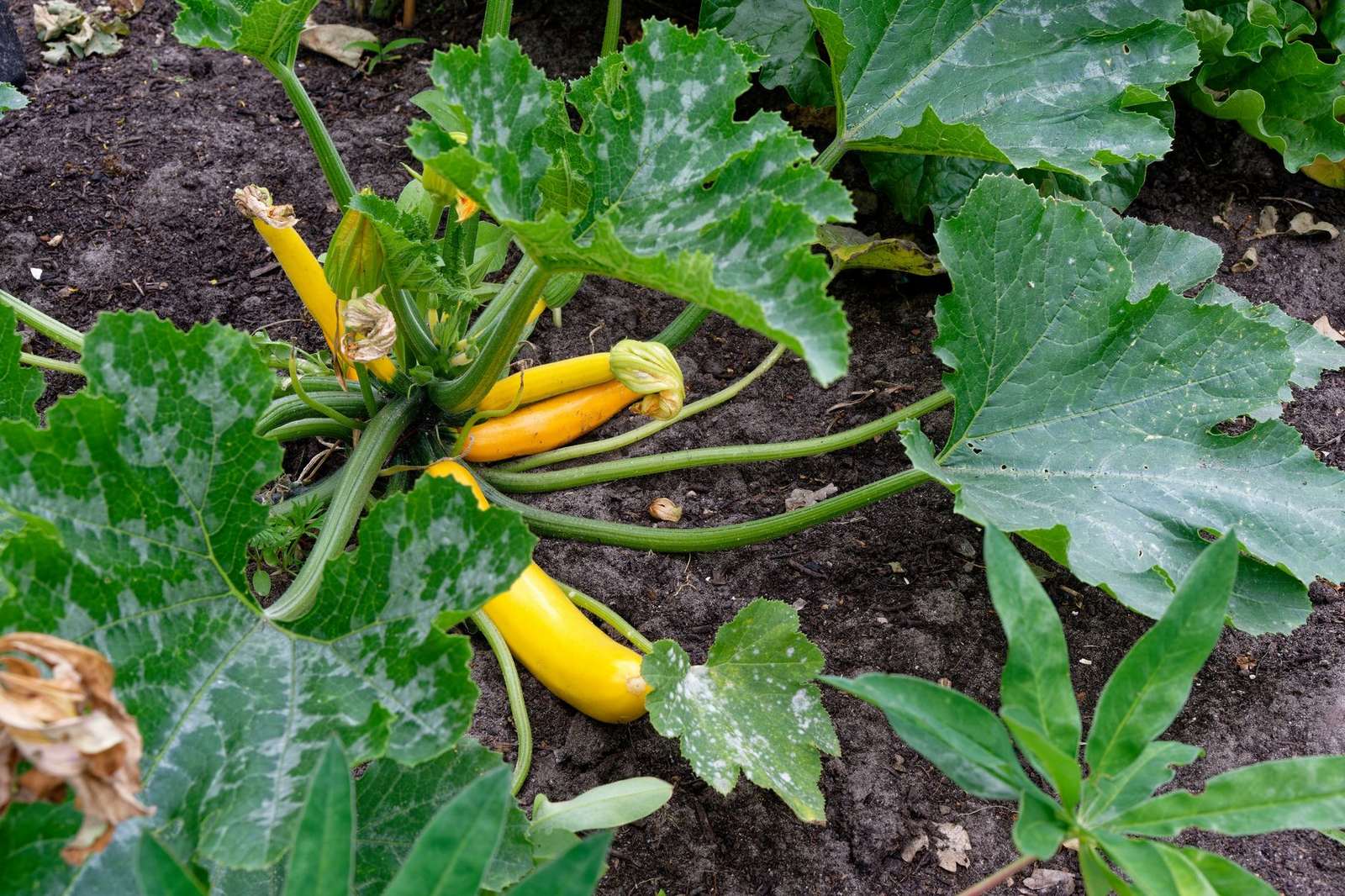
Timing is local, and your climate affects the season, so it helps to know your dallas usda hardiness zone when you plan plantings.
What to do when a vine is already infested
If you catch the problem early, you can try to remove the larvae yourself. The Extension post describes a simple hand method.
- Find a stem with oozing residue or frass.
- Split the stem with a knife.
- Carefully pull out the larvae.
The same post notes that the larvae make good fish bait or bird food. Once a plant is dying or dead, remove it so any larvae still inside are gone.
After the season, till the soil. That step exposes pupae that dropped into the ground to weather and predators.
Organic and chemical spray options
Sprays are one part of the plan, not the whole plan. Two organic control options are spinosad and Bt (Bacillus thuringiensis), and the advice is to spray the stem often to keep control.
Use spinosad in the evening, when bee activity is done for the day. That protects the pollinators your squash needs.
As of the Williamson County Extension post of May 11, 2023, carbaryl, permethrin, bifenthrin and esfenvalerate are chemical options labeled for the borer. The post says to apply directly to the stems and vines and repeat weekly for best control, as described on the Williamson County AgriLife Extension page. Labels change, so read the one on your product before you spray.
If you are also planning a garden that copes with dry summers, the guide to drought tolerant plants north texas pairs well with these pest tips.
Where to get local help
Texas A&M AgriLife Extension entomologists work across the state and can provide advice on control of garden pests, as the Texas A&M Extension Entomology site explains. Its people page lists specialists you can contact.
This site is independent and educational. It is not affiliated with any agency named here, and it does not offer consulting.
Frequently asked questions
When are squash vine borer moths active in Texas?
Show answer
As early as April/May, and they stay active until November/December, according to the Extension post dated May 11, 2023.
How can I tell a borer is in my squash stem?
Show answer
Look for stems with oozing plant residue and frass, which is caterpillar droppings. A plant that wilts because water and nutrients cannot move through the stem is another warning sign.
Do I need to hand-pollinate squash under row cover?
Show answer
You might. Either hand-pollinate, or remove the cover during bloom so bees can pollinate the female flowers.
Which squash types resist borers?
Show answer
The Extension post suggests acorn squash, summer crookneck and butternut squash, among others.
What organic sprays work on squash vine borers?
Show answer
Spinosad and Bt (Bacillus thuringiensis) are the two organic options named. Spray the stem often, and apply spinosad in the evening when bees are done for the day.