Heavy clay can feel like a losing battle. For gardening in clay soil Texas gardeners rely on compost, mulch and patience. You can also grow above it in raised beds.
This guide belongs to the broader topic of gardening in dallas texas, so start there for the big picture.
| Item | Value |
|---|---|
| Compost on Blackland clay, each spring and fall | 2 to 3 inches |
| Mulch depth to hold soil moisture | 3 inches |
| Minimum real soil in a garden soil mix | At least 30% by volume |
| Pea gravel option: depth added, then worked in | About 3 inches, worked in to 8-10 inches |
| Moisture held by expanded shale, by weight | Nearly 38% |
These figures come from the Travis County Texas A&M AgriLife Extension soil guide and the Central Texas Gardener clay-amending notes. They can change, so check the sources before you rely on them.
What makes Blackland clay so hard to garden in?
The Travis County Extension office describes the black and reddish clays of the Blackland Prairies as deep, dense soils that pack tightly into a heavy mass. They absorb water very slowly and hold little air, which makes life hard for roots. That page covers the Austin area rather than Dallas, so treat it as a close guide, not a Dallas-specific rule.
The North Texas Food Bank’s garden team agrees that North Texas soil contains lots of clay. You can usually spot Blackland-type soil by a few signs:
- Wet soil is extremely difficult to remove from your tools.
- A handful holds its shape and feels like pottery clay.
- The soil profile is very deep, and solid rock is rarely found.
There is an upside. According to the Extension guide, clay tends to retain moisture once it has absorbed it and does not wash away easily. The downsides are mud when wet and concrete-like patches when dry. Clay also shrinks and swells with moisture, forming wide cracks and heaving objects like fence posts and patios.
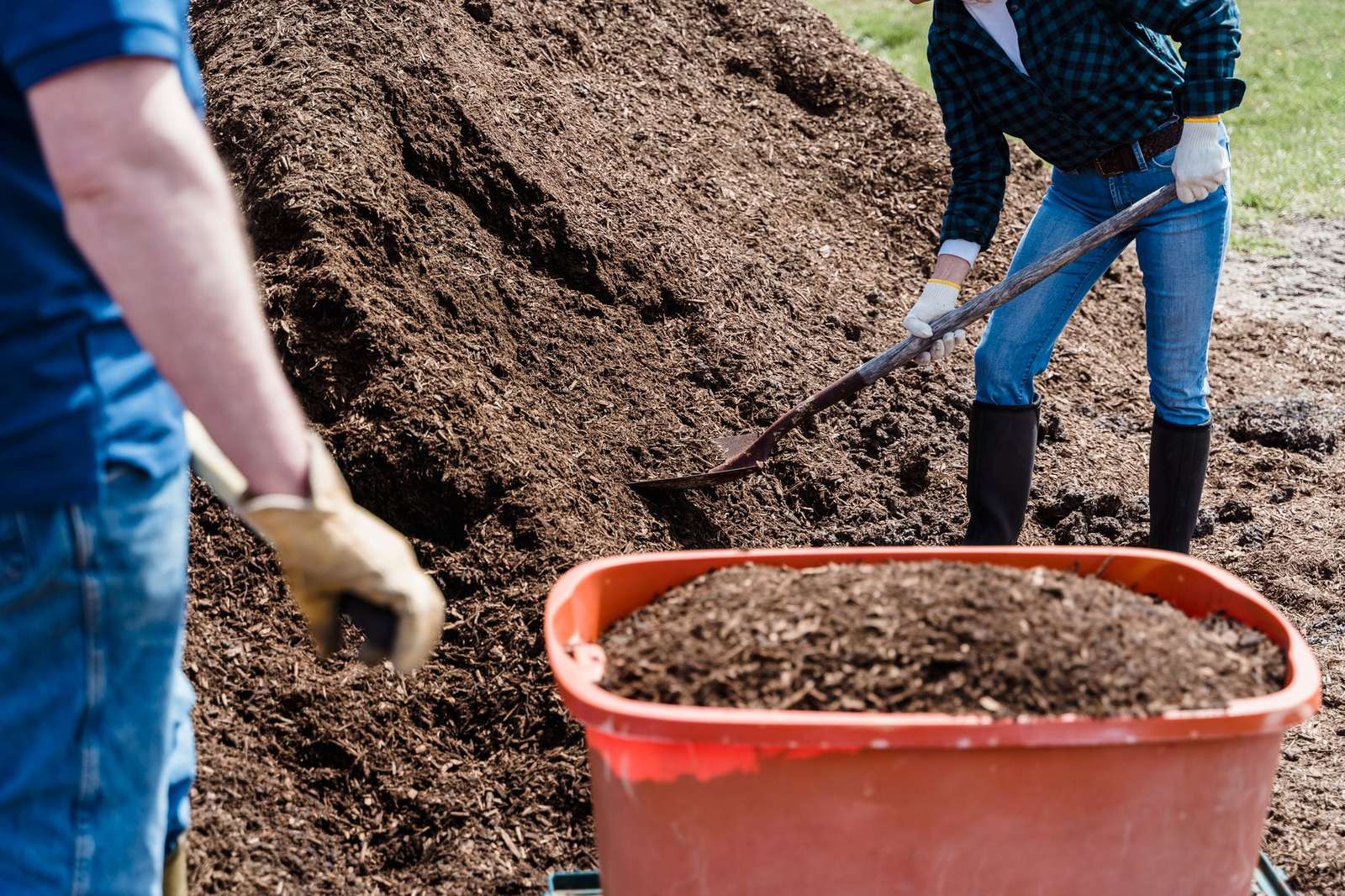
Compost and cover crops: the long-term fix
The Travis County guide calls compost the best way to improve clay, and the most cost effective since you can make it yourself. It suggests two to three inches of compost each spring and fall, worked in lightly on top, which it calls “scratching it in.”
Gardener John Dromgoole, writing for Central Texas Gardener, adds compost every time he plants. His reasoning is that microorganisms in the compost secrete a glue-like substance that binds clay particles into a better crumb structure.
Cover crops are the second route to more organic matter. The Extension page lists these for Central Texas:
- Winter: fava beans, cereal rye, wheat, brassicas such as mustard or turnips, and crimson clover (which needs rhizobium inoculation).
- Summer: hairy vetch, cow or cream peas, and black-eyed peas.
You can turn a cover crop into the soil or use the “cut and drop” method and leave it on top as mulch. With peas, you can harvest first and then till the residue in.
Should you add sand, gravel or expanded shale?
This is where the sources disagree. The Travis County guide is blunt: don’t add sand to clay, because the clay binds the larger particles and, when dry, forms something resembling concrete, mortar or adobe.
The North Texas Food Bank, in a November 2024 post, lists organic matter, compost, sand, gypsum and even expanded shale as possible amendments. Meanwhile Central Texas Gardener suggests adding about 3 inches of pea gravel or decomposed granite and working it in to 8-10 inches. Given the Extension warning about concrete-like clay, organic matter first is the cautious choice.
The one aggregate the Extension guide endorses is expanded shale. It is mined from special clays, then heated in kilns until it becomes a porous ceramic aggregate that does not bind with clay. The catch, per the same guide, is that the manufacturing process usually makes it more expensive than other amendments.
Central Texas Gardener reports that the Dallas Arboretum has found expanded shale very effective at making soil more porous. Its speaker also understands that each stone holds nearly 38% of its weight in moisture, so it drains clay yet can help sandy soil hold water.
Raised beds, planting holes and mulch
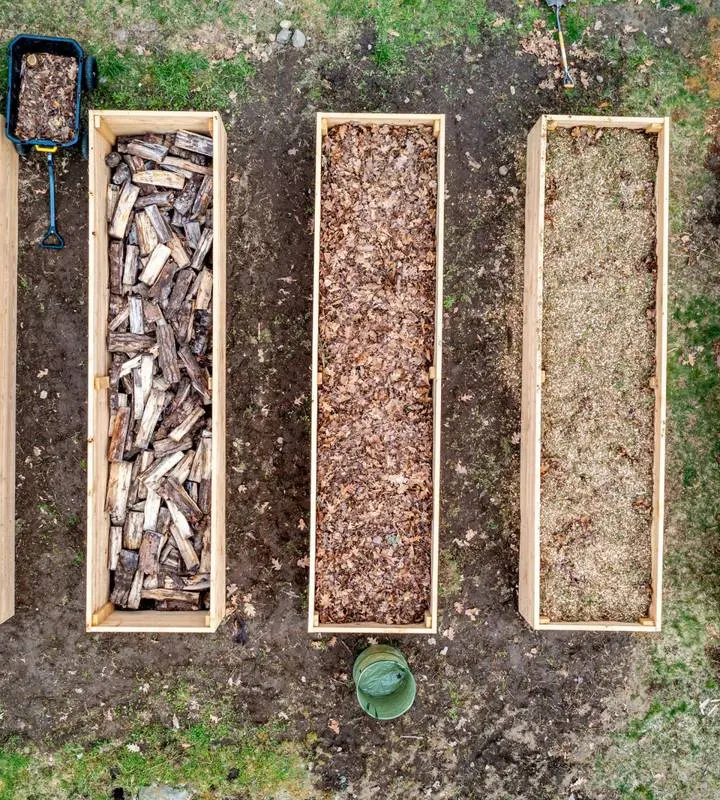
If you are in a hurry, the Extension guide says you can garden on top of the clay with raised beds or berms while the soil improves over the long term. For help building and filling them, see our guide to raised bed gardening in texas.
If you buy soil to fill a bed, the Travis County page says garden soil should contain at least 30% by volume of real soil. It also says the product should not be a soilless mixture like potting mix, so look for “top soil” and ask to see the ingredients.
A common mistake is the planting hole. Digging a hole and filling it with compost or peat moss instead of the soil that came out creates “mini swimming pool holes” that hold excess water and girdle roots.
Mulch is the finishing step. The Extension guide recommends three inches to hold soil moisture, with a gap between the mulch and the main stems. As the mulch breaks down it becomes compost, so expect to top it up each planting season.
Keeping clay soil alive through the year
The North Texas Food Bank’s garden specialist follows three rules, borrowed from author Jesse Frost, in its soil post:
- Disturb the soil as little as possible.
- Keep the soil covered as much as possible.
- Keep the soil planted as much as possible.
The same post defines living soil as soil filled with microbial diversity and living plant roots exchanging nutrients. It also points readers to a Texas A&M AgriLife soil test resource, a sensible step before you buy amendments.
Once your beds are in shape, the dallas vegetable planting calendar is the next stop for timing what goes in.
Frequently asked questions
Can I garden in Texas clay without amending it?
Show answer
For a while, yes. Building up with berms or raised beds lets you plant right away, as the Extension guide notes, while compost and cover crops slowly improve the ground below.
How often should I add compost to clay soil?
Show answer
The Travis County guide suggests two to three inches each spring and fall, worked in lightly on top (source). Central Texas Gardener adds compost every time you plant or change out a vegetable bed.
Is clay soil all bad for plants?
Show answer
No. Clay holds moisture once it has absorbed it and does not easily wash away. The trouble is slow water entry, little air, and heavy cracking as it dries.
Is expanded shale worth the extra cost?
Show answer
The Extension guide calls it the one aggregate that suits clay, since it does not bind with clay and helps aeration and moisture retention. It is usually more expensive than other amendments, so many gardeners may start with compost.