Not sure where to put your bed or what to fill it with? Raised bed gardening in Texas works best in full sun, filled with a purpose-made growing mix, at a depth set by what is underneath.
This guide sits within our wider coverage of gardening in dallas texas, and it focuses on the bed itself: site, depth, soil and drainage.
| Item | Value |
|---|---|
| Bed depth on a hard surface (patio, driveway, rock) | About 18 to 24 inches |
| Bed depth where roots can reach soil below | 8 to 10 inches |
| Depth for vegetable beds (Texas A&M E-560 guide) | 12 to 18 inches |
| Clay soil amendment inside a bed | At least one third by volume |
| Drainage slope for landscape beds | About 2 percent (¼ inch drop per foot) |
| Sun for most vegetables | Full sun; morning sun if full sun is not possible |
These figures come from Texas A&M’s E-560 raised bed guide and a March 2021 AgriLife Today article. Guidance can change, so check the source before you rely on the numbers.
Pick a sunny, sheltered spot first
Like an in-ground garden, a raised bed needs good sunlight and a quality medium for roots. Skip Richter, a Texas A&M AgriLife Extension horticulture agent, describes a raised bed as a big container that can go virtually anywhere, including on concrete driveways or in a yard where good soil is hard to come by.
The E-560 guide says a bed for sun-hungry plants belongs in full sun. If that is not possible, pick a site that gets morning rather than afternoon sun.
Check the spot against this short list before you build:
- Shelter from prevailing winds, such as a fence, building or other structure.
- No frost pockets and no place with poor air circulation, because fungal diseases often develop where there is little air flow.
- No marshy ground where the bed would sit in water.
If only a shady site is available, the same guide suggests cool season vegetables that tolerate shade, such as broccoli, cabbage and lettuce. The Texas Home Vegetable Gardening Guide likewise recommends leafy crops such as leaf lettuce, mustard and parsley where sun is limited.
Plan the layout too. The same guide advises putting tall crops (okra, staked tomatoes, pole beans, sweet corn) on the north side so they do not shade low growers such as radishes, leaf lettuce, onions and bush beans, and it notes that crop rotation helps prevent the buildup of diseases and insects.
How deep should a raised bed be?
The answer depends on what lies under the bed. In a March 2021 AgriLife Today article, Richter gives two rules of thumb:
- On a very hard surface such as a driveway or patio, or where rock outcrops leave little soil, make the bed about 18 to 24 inches deep.
- If roots can go down into soil below the bed, 8 to 10 inches is high enough.
The E-560 guide is a little more specific about crops. It says vegetable beds should be 12 to 18 inches deep, while a bed for ornamentals does not have to be very deep: eight to 12 inches is usually adequate.
Taller sides have a bonus. Richter explains that a slightly higher bed gives you a comfortable place to sit while planting and pulling weeds, so you are not stooping the whole time.
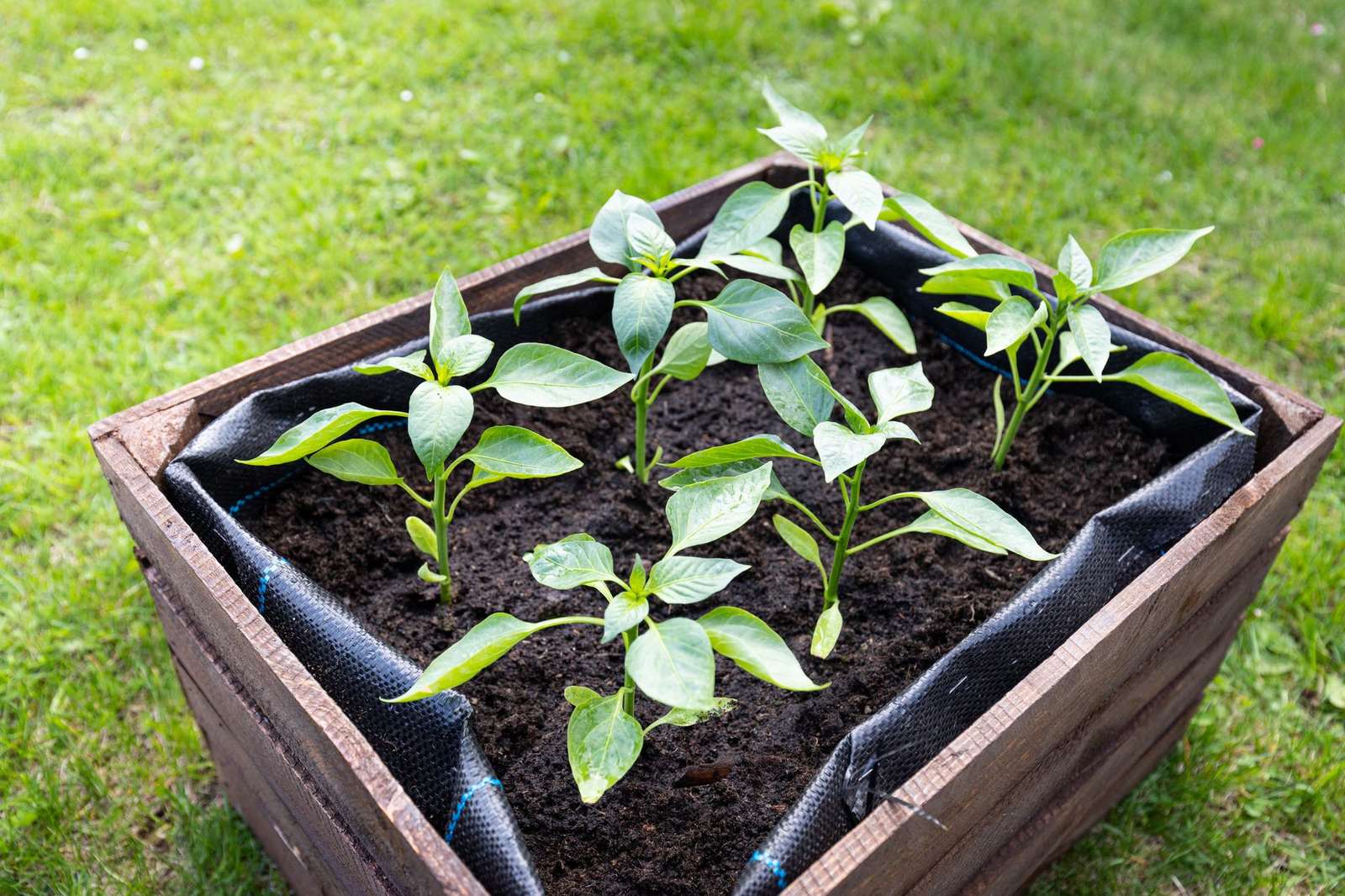
What to fill a raised bed with
Do not shovel in yard dirt. Richter says a bed needs “not heavy garden soil, but something that has been created specifically for raised beds,” which he calls growing media, as reported in AgriLife Today.
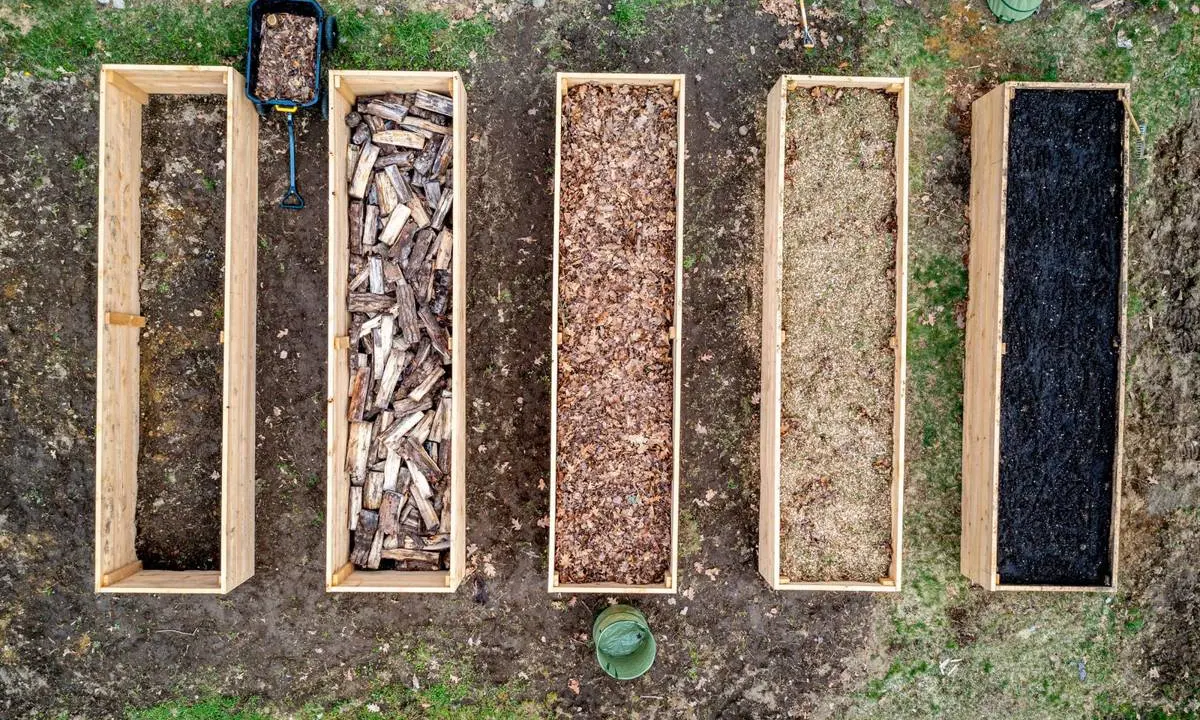
For containers, a common choice is regular potting soil with peat moss and perlite for extra drainage. For larger beds you can buy a growing mix, which may include sand, decomposed wood chips and other ground-up, decomposed plant material.
A good mix should hold moisture and still drain, because in Richter’s words roots need:
- oxygen,
- moisture,
- good drainage, and
- nutrients.
Organic matter is part of that recipe, so if you want to make your own, the guide to composting in dallas is a sensible next read.
Drainage, clay and slope
The E-560 guide notes that in many areas of Texas the soil has too much sand or clay, or is too alkaline for some plants. Raising the bed lifts roots above that poor soil, and the soil in a bed also warms up earlier in spring.
Drainage matters because soil that stays very wet deprives roots of oxygen. If a bed contains clay soil, the same guide says to amend it with at least one third by volume of coarse sand, organic matter or coarse perlite.
If clay across your whole yard is the real worry, our guide to gardening in clay soil texas covers the in-ground side of the problem.
For landscape beds, E-560 suggests a slope of about 2 percent, which is a ¼ inch drop per foot, away from structures or from the center of the bed. Some beds need special drains; drain tiles or perforated tubing through the walls are one option, and normally one line every 4 to 6 feet is sufficient. Decide this during planning, not after the bed is full.
Edging and watering choices
Edging holds the soil in and sets the bed’s look. According to the E-560 guide, whichever material you choose must be strong enough to hold the growing media and survive being bumped or ridden over by a riding lawn mower.
Options named in the guide include:
- Metal strips, which bend to fit curves but can rust with time.
- Railroad ties or landscape timbers, which have a rustic look.
- Stone, which makes interesting beds but can be expensive.
- Interlocking pavers, which are increasingly popular and easier to install than mortared stone.
The guide says studies found compounds leaching from treated timbers stay well within EPA safe levels, in growing media and in harvested produce. If you are still concerned, it suggests lining the inside of the walls with polyethylene, roofing felt or a similar protective barrier.
Decide on watering at the design stage. The same guide says an automated sprinkler is convenient but wets the foliage, which contributes to disease and salt damage. Low-flow options such as drip, trickle and soaker hose systems conserve water, though emitters clog unless the water is very clean and rodents and other wildlife can damage some drip lines.
Frequently asked questions
Can I build a raised bed on a patio or driveway?
Show answer
Yes. Texas A&M AgriLife’s Skip Richter says beds can go on concrete, and on a hard surface he recommends making the bed about 18 to 24 inches deep, as reported by AgriLife Today.
Can I fill a raised bed with garden soil from my yard?
Show answer
It is not the best choice. Richter recommends a mix made specifically for raised beds rather than heavy garden soil, because it holds moisture yet drains well.
How much sun does a raised bed need?
Show answer
Full sun is the goal for many vegetables, and morning sun is the fallback if you cannot get full sun, per the E-560 guide. Shady sites suit cool season crops such as broccoli, cabbage and lettuce.
Where can I find step-by-step building instructions?
Show answer
AgriLife Extension lists a publication, Building a Raised Bed Garden, that details each step of planning, constructing, planting and maintaining a bed.
Which vegetable varieties suit my area?
Show answer
Your county Extension agent can provide a list of varieties well adapted to your part of Texas, according to the Texas Home Vegetable Gardening Guide. If you try new varieties, limit the size of the plantings.