Wondering how to start composting in Dallas without a smelly mess? Layer dry browns with fresh greens, keep the pile as damp as a wrung-out sponge, and turn it regularly. Finished compost can take weeks to months.
This guide is part of the wider topic of gardening in dallas texas, and it sticks to what a home gardener needs to start a pile and keep it healthy.
| Item | Value |
|---|---|
| Share of the Dallas landfill that is compostable kitchen and yard waste | At least 30% |
| Brown-to-green mix recommended by a Texas A&M AgriLife horticulturist | Around 2:1 by volume |
| Temperature of a well-functioning hot pile | 135-165 degrees F |
| How often to turn the pile | At least every 10-14 days |
| Pile size that supplies a 4 ft by 8 ft bed with 3 inches of compost each year | 3 ft by 3 ft by 3 ft |
The figures come from the City of Dallas composting page and a Texas A&M AgriLife Today article from July 2020. Figures can change, so check the sources before you rely on them.
What can you put in a compost pile?
Good compost balances greens, which are wet and nitrogen-rich, with browns, which are dry and carbon-rich. The City of Dallas compost packet gives long lists of both.
Common greens include:
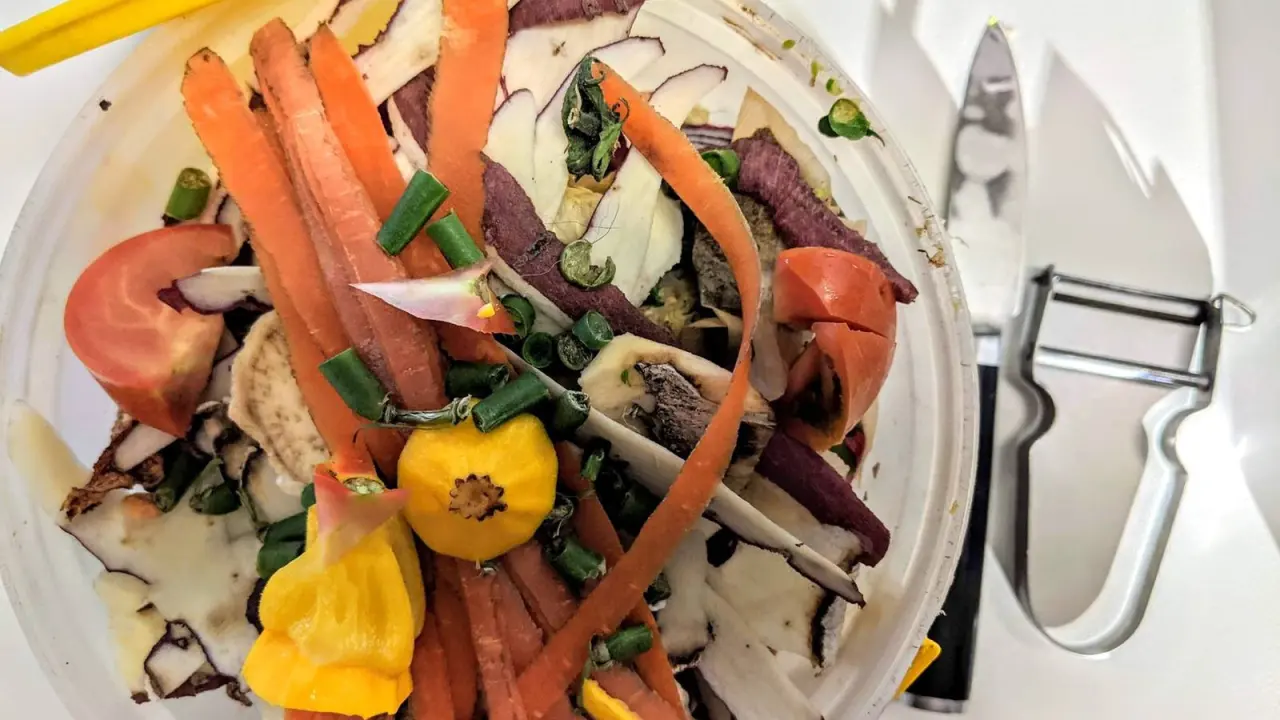
- Fruit and vegetable peelings and scraps
- Coffee grounds, filters and tea bags
- Clean, crushed egg shells
- Fresh grass clippings and houseplant trimmings
Common browns include:
- Dry leaves and dried grass
- Shredded paper, newspaper and cardboard
- Straw, hay, wood chips and untreated sawdust
- Dryer lint and pet hair
Coffee grounds are a handy exception to the colour rule: they look brown but count as a nitrogen source, according to AgriLife Today.
Keep these out of the pile, based on the lists from the City of Dallas and the Rockwall County Master Gardeners:
- Meat, fish, poultry and bones
- Dairy products, grease and oils
- Pet feces
- Treated wood, ashes and glossy paper
- Weed or grass seeds and diseased or pest-infested plants
Why bother? The city says at least 30% of what goes into its landfill is compostable kitchen and yard waste, and that compost helps soil retain moisture so you do not have to water as often, as described on the composting page.
Choosing a bin and a method
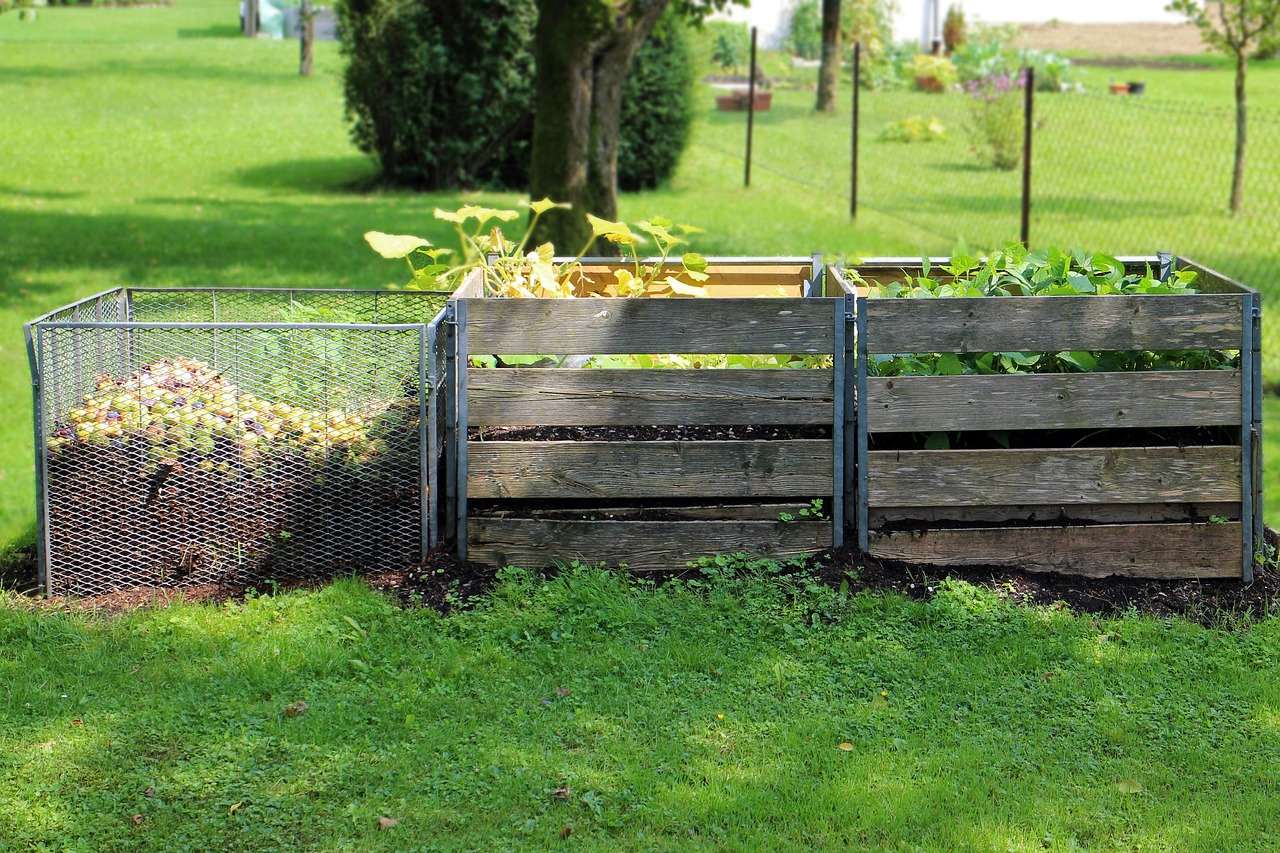
The City of Dallas says a bin or enclosed pile is typically recommended to discourage pests and make finished compost easier to reach. Its compost packet gives the ideal bin size as 3 feet by 3 feet by 3 feet.
Where you put it matters too. The Rockwall County Master Gardeners guide suggests:
- Checking first for any local setback ordinance
- Choosing a spot that is easy to reach and close to a water source
- Using level ground with good drainage
- Keeping the pile off wooden buildings, fences and trees, because wood in contact with compost will decay
The city’s backyard composting slides compare hot and cold composting, and the choice comes down to how much time and attention you want to give.
| Method | Temperature | Speed | Trade-offs |
|---|---|---|---|
| Hot (Berkeley method) | 131-149 degrees F | Finished compost quickly | Needs more time and attention; kills most weed seeds and pathogens |
| Cold (“let it happen”) | Up to 120 degrees F | Six months to two years | Little upkeep, but fails to kill weed seeds or pathogens |
The table summarises the City of Dallas backyard composting slides, and these figures can change, so check that source before you rely on them.
Getting the mix, moisture and heat right
Aim for more browns than greens. A Texas A&M AgriLife horticulturist recommends a brown-to-green ratio of around 2:1 by volume in the AgriLife Today article, while the city’s slides suggest an eyeball ratio of 3:1. Both are ways of hitting a carbon-to-nitrogen ratio near 30:1.
Moisture is the next lever. AgriLife says only a few drops of water should drip out when you squeeze a handful of properly moistened compost, and the Master Gardeners guide adds that rainwater is best when you have it, but tap water works too.
Heat tells you the microbes are working. A well-functioning pile reaches 135-165 degrees F, and AgriLife suggests a compost thermometer and turning at least every 10-14 days to circulate oxygen, per AgriLife Today. The Master Gardeners guide warns that temperatures much higher than 165 degrees F are too hot because some decomposers begin to die off.
A simple build routine, drawn from the AgriLife and Master Gardeners advice:
- Set the bin or pile on level, well-drained ground.
- Put the coarsest material at the bottom and the finest on top of each set of layers.
- Add water evenly through the layers, not just on top.
- Turn the pile on a regular schedule and check the heat.
Chop or shred what you add: the city’s compost packet says the smaller the pieces, the faster your compost will decompose. Its slides put the total time at 4 weeks to 2 years, depending on the number of turns.
Composting in an apartment or a small space
No yard is no problem. The City of Dallas food waste page lists vermicomposting and Bokashi as methods that take little space and can be done in the kitchen.
Vermicomposting uses red wiggler worms (Eisenia fetida) to turn non-meat kitchen waste into small amounts of worm castings. The city’s slides say the worm bin must sit in a climate that is 60-80 degrees F, so keep it indoors.
Bokashi ferments food waste with microorganisms in a bran. The city’s page says Bokashi has no food restrictions and requires very little effort to create compost in a very short period of time.
Troubleshooting a pile and knowing when it is ready
Composting is not an exact science, so expect to adjust. These fixes come from the City of Dallas compost packet.
| Symptom | Likely cause | Fix |
|---|---|---|
| Bad odor | Not enough air, too few browns or too wet | Turn the pile and add more browns |
| Smells fine but is not decomposing | Not enough water or too few greens | Moisten, turn and add greens |
| Liquid leaking from the bin | Too much water | Add dry browns and turn |
| Pests | Exposed food pieces | Bury food under compost or leaves |
AgriLife adds that an ammonia odor points to too much nitrogen, while a rotten-food smell suggests soggy conditions that need more dry material, per AgriLife Today.
Finished compost is dark brown or black and crumbly, with a rich, earthy smell. To double-check, try the jar test from the city’s packet:
- Put some compost in a jar and add water to make it soggy.
- Seal the jar tightly and leave it alone for a week.
- Open it carefully and smell it. Wet earth means the compost is done.
Using finished compost in beds and pots
The Master Gardeners guide gives application rates you can follow, per the Rockwall County guide:
- New beds: mix up to 2″ of finished compost into the top 6″ of soil.
- Lawns: apply 1/4″ to 1/2″ of screened compost as a top dressing in early spring.
- Established beds: apply up to 1/2″ once a year, on top of natural mulch, keeping 2″-4″ of total mulch.
- Pots: a mix of equal parts compost, topsoil and sand works well for most plants.
For scale, AgriLife says a 3- by 3- by 3-foot pile will cover a 4- by 8-foot bed with an ideal 3 inches of compost once per year, per AgriLife Today. If you are filling a bed that size, the guide to raised bed gardening in texas is a natural next read.
Compost also helps with watering. The city’s slides say 100 lbs. of humus can hold up to 195 lbs. of water, which pairs well with the choices in drought tolerant plants north texas, since both aim to make every watering count.
Timing helps too: the compost packet says using compost in late summer or fall is ideal, because it makes room in the bin for fall leaves.
Frequently asked questions
Can you compost in an apartment in Dallas?
Show answer
Yes. The city’s food waste page lists vermicomposting and Bokashi as options that take little space. Worm bins need a climate of 60-80 degrees F, according to the city’s backyard composting slides.
What should never go in a backyard compost pile?
Show answer
The City of Dallas composting page lists meat, fish and poultry, dairy products, grease or oils, pet feces, treated wood, ashes and glossy paper.
How long does compost take to finish?
Show answer
It depends on the number of turns: the city’s slides give a range of 4 weeks to 2 years. A hot pile that is turned often finishes sooner than a cold, low-effort one.
Does the City of Dallas offer composting help?
Show answer
The composting page says the Dallas Zero Waste team holds composting seminars in the Fall and Spring, so check it for the latest schedule. The city’s slides list a Waste Diversion Hotline at (214) 670-4475.
Why does my compost pile smell?
Show answer
Usually it has too much water, too few browns or too little air. The city’s packet recommends turning the pile and adding more browns.