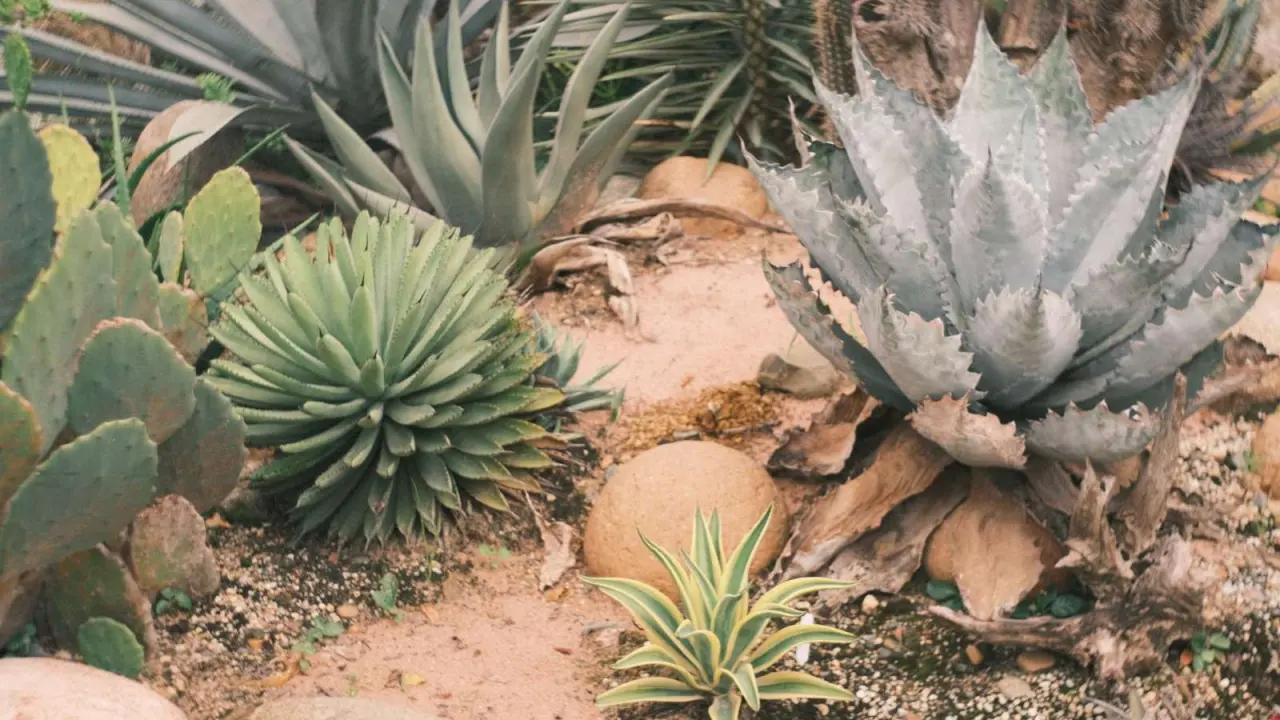
Does your yard bake every summer? For drought tolerant plants north texas gardens can rely on, you can start with natives like red yucca, autumn sage and lacey oak.
This page is part of our broader coverage of gardening in dallas texas.
| Plant or trait | Key fact |
|---|---|
| Red yucca foliage mound | About 3 ft tall and wide |
| Red yucca flower stalks | 4-6 ft above the foliage |
| Red yucca winter hardiness | Hardy to 12° F (USDA zone 7) |
| Autumn sage size | About 2-2 ½ ft tall and wide |
| Autumn sage bloom window | April through October |
| Lacey oak mature size | 35 ft tall by 30 ft wide |
These figures come from the Fort Worth Botanic Garden, in a post dated September 23, 2025. Figures and plant guidance can change, so check the source before you rely on them.
Why native plants suit North Texas
Texas A&M’s Aggie Horticulture notes that native Texas plants are naturally adapted to the region. Most have lower water demands, fewer pest problems and lower fertilizer needs than many nonadapted, exotic plants, according to its plant selection guide.
The Fort Worth Botanic Garden adds that natives adapted over time to local soils and rainfall. As a result, they tolerate heavy clay soils and periods of drought interspersed with occasional heavy rain.
You don’t have to go all-native. Texas A&M says combining natives with well-adapted non-native plants is a key to a landscape that conserves water, and its Earth-Kind map places Dallas, Fort Worth, Denton and Wichita Falls in Region 4, North Central Texas.
Sun-loving standouts: red yucca and autumn sage
Red yucca (Hesperaloe parviflora) is described by the Fort Worth Botanic Garden as the best plant for full sun and reflected heat, such as along driveways, sidewalks, swimming pools and parking lots. It forms an evergreen mound about 3 feet tall and wide, with flower stalks rising 4-6 feet above it.
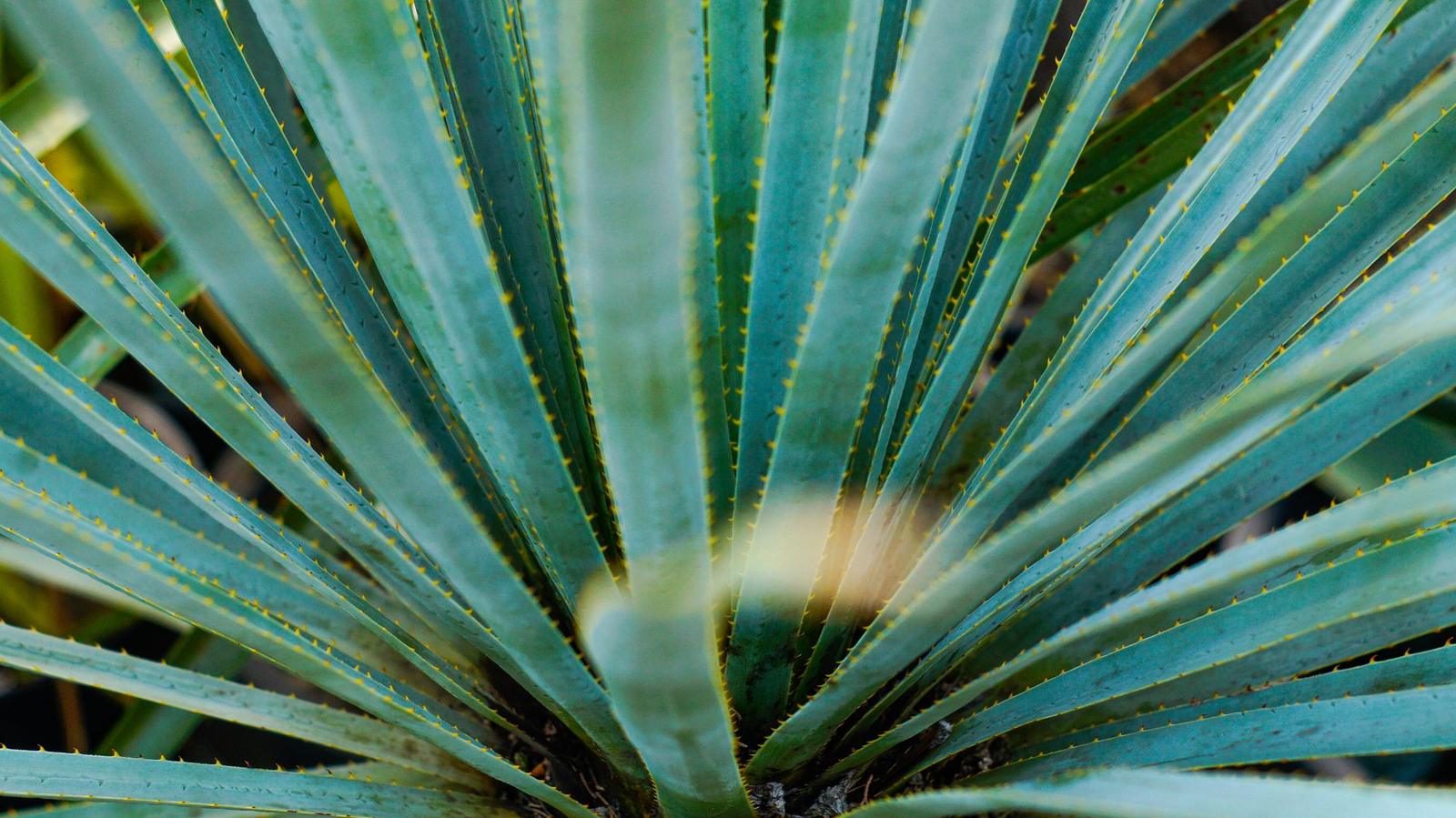
Red yucca is hardy to 12° F (USDA zone 7) and tolerates a wide range of soils as long as they drain well. Once established, it is extremely drought tolerant, and its coral-red blooms attract hummingbirds.
Autumn sage (Salvia greggii) makes a rounded shrub about 2-2 ½ feet tall and wide. It is usually evergreen in USDA zones 7-9 and blooms April through October, with the heaviest flowering in cooler spring and fall weather.
It wants full sun and well-drained soil, and once established it is very drought tolerant. Flowers come in red, white, pink, coral, pale yellow, fuchsia, burgundy and purple.
Other perennials and groundcovers to consider
Texas A&M’s Earth-Kind list of outstanding plants includes several more options for sunny beds. These are listed as outstanding for Texas landscapes in general, so confirm each one’s water needs before you buy.
- Indian blanket (Gaillardia): a sun-loving Texas native with reddish-yellow flowers from spring to fall, rated adaptable to most areas of Texas.
- Goldsturm rudbeckia: yellow summer flowers in full sun, also rated adaptable to most areas of Texas.
- Santolina: a sun-loving groundcover with green or silver foliage, with North Central Texas among its adapted regions.
- Trailing juniper: a sun-loving groundcover, though the list says it is not suitable for wet, humid areas.
A tree for heat, alkaline soil and drought
Lacey oak (Quercus laceyi) is a small to medium deciduous tree that reaches about 35 feet tall by 30 feet wide, a size the Fort Worth Botanic Garden calls right for suburban lots. Its leaves emerge peach in spring, turn blue-green in summer and go peach again in fall.
The garden says lacey oak tolerates alkaline soil, high heat and drought. That makes it a useful shade candidate where lawn would struggle.
Which lawn grass uses the least water?
Texas A&M points out that turfgrasses need more frequent watering and maintenance than most other landscape plants. St. Augustinegrass and bermudagrass are the most common Texas lawn grasses, while zoysiagrass, buffalograss and centipedegrass are used less often but offer promise for saving water.
Texas A&M’s Earth-Kind grass ratings, shown below, make the trade-offs clear.
| Grass | Drought tolerance | Shade tolerance |
|---|---|---|
| Buffalograss | Excellent (thin turf) | Poor |
| Bermudagrass | Good (dense turf) | Poor |
| Zoysiagrass | Good (dense turf) | Good |
| St. Augustinegrass | Poor | Good |
| Tall fescue | Poor (green year-round under irrigation) | Good |
These ratings come from Texas A&M’s plant selection guide; ratings can change, so check the source before you rely on them.
If your lawn is shady, zoysiagrass is the one rated good for both drought and shade. If it is sunny and you can accept thinner turf, buffalograss earns the top drought rating.
How do you plan a lower-water yard?
Texas A&M suggests shrinking the lawn by using patios, decks, shrub beds and groundcovers in its place. It also advises avoiding long, narrow turf areas, because blocky, square areas are easier for irrigation equipment to water efficiently.
Soil matters too. If you plan to improve beds before planting, our guide to composting in dallas covers making your own amendments.
Vegetable beds are a separate job from a low-water border. If you grow squash, our page on squash vine borer texas covers a pest of that crop.
To research more plants, two databases are worth bookmarking:
- The Texas SmartScape Plant Database, which lets you limit results to native species and filter by light, landscape use, color and size.
- The Native Plants of North America database from the Lady Bird Johnson Wildflower Center, searchable by plant characteristics and growing habits.
The Texas Water Resources Institute also lists a 2026 item in which Dallas-based program specialist Dean Minchillo shares insights on drought-resistant plants for North Texas yards; see its DFW archive.
Frequently asked questions
Which plant handles reflected heat best?
Show answer
The Fort Worth Botanic Garden calls red yucca the best plant for full sun and reflected heat, such as beside driveways, sidewalks and pools.
Are drought-tolerant plants maintenance-free?
Show answer
No. The Fort Worth Botanic Garden describes red yucca and autumn sage as drought tolerant once established, so new plants still need care while they settle in. Both also need well-drained soil.
Is St. Augustinegrass a good low-water lawn?
Show answer
Texas A&M’s Earth-Kind ratings give St. Augustinegrass poor drought tolerance, although it handles shade well. Buffalograss, bermudagrass and zoysiagrass are rated better for drought.
Do native plants cope with clay soil?
Show answer
According to the Fort Worth Botanic Garden, natives tolerate heavy clay soils and periods of drought interspersed with occasional heavy rain. Red yucca and autumn sage still need soil that drains well.